
This user has no description yet

Projsiš Ajlau
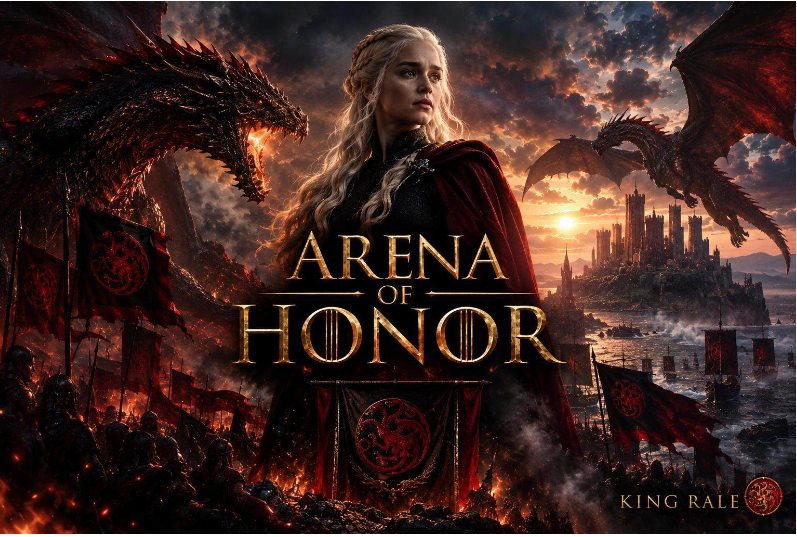
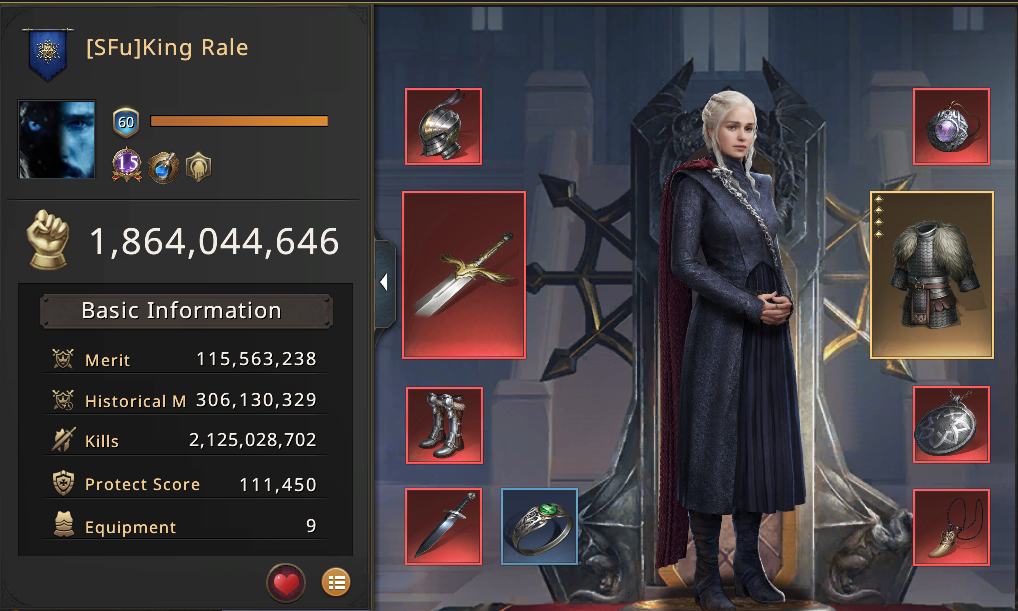
King Rale, a lone hunter without a team. That was how he decided to approach his sixth season of Arena of Honor. Instead of staying with one group, he chose to move between different teams, adapting to their playstyles and strategies. Sometimes this could work in his favor, giving him a chance to experience the arena from different perspectives. Other times, however, being a stranger among unfamiliar players could make things much more difficult.
One thing was certain: this season would be different from the previous ones. Without a permanent team to rely on, King Rale would have to find his own way through the arena.
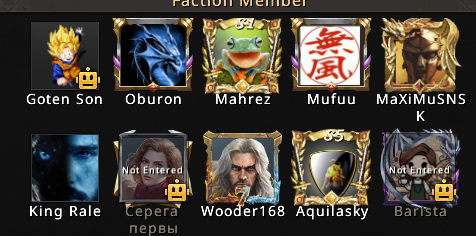
This week, Rale entered the first time slot, immediately after the game reset. It was not the most popular time to play, and his random team reflected that. Some players were active and ready to fight, while others contributed less or seemed to be completely inactive.Fortunately, Rale was not entirely alone. He could cooperate with N0X Oburon and a few other players who were willing to participate. With a team like this, coordination would be important, but it was difficult to know how well the group would perform once the battle began.The map featured three real houses: Stark in yellow, Targaryen in purple, and Lannister in red. The other three houses were NPC mirrors, adding more activity to the battlefield.
Before the fighting started, Rale and Oburon briefly discussed their strategy.
King Rale: "We need to be aggressive from the start. Let's focus on the Strongholds first, then move to the Warrior Altars, towers, and catapults. We need to build pressure before the fight for Glory City begins."
Oburon: "Agreed. We take the important objectives first and see how the battle develops. Then we can decide where we need to concentrate our forces."
It was a straightforward plan. The real challenge would be putting it into practice with a team whose activity and coordination were far from guaranteed.
The opening phase focused on the Strongholds, with the teams taking an offensive approach. After that, the fighting moved toward the Warrior Altars, towers, and catapults. Each objective offered another opportunity to gain an advantage, and players had to decide where their presence would be most useful. Meanwhile, the opposing players concentrated on Trading Posts to secure their trading bonuses. This created a different dynamic across the map, as each side followed its own priorities while preparing for the main battle.
For Rale, this was exactly what made playing without a permanent team so unpredictable. He could enter a match with a basic plan, but the situation could change quickly depending on the actions of his teammates and opponents. He had to adapt, make the best of the players around him, and remain ready to change direction whenever necessary. As the battle progressed, the importance of coordination became increasingly clear. The opening objectives were only part of the contest. The biggest challenge was still ahead, and sooner or later, the fighting would come down to Glory City.
Glory City and the Fight for the Mine Shafts
When the battle for Glory City reached its most intense stage, the fighting continued elsewhere on the map. Several Mine Shafts also became contested, forcing players to divide their attention between the central objective and the resources that could still make a difference. This created another level of uncertainty. Sending too many players toward Glory City could leave other objectives exposed, while focusing too much on the Mine Shafts could mean losing ground in the centre. Every decision had consequences, and the teams had to balance their priorities as the match developed. For a random team like Rale's, these situations were particularly demanding. There was no guarantee that everyone would react at the right moment or that the team would coordinate its movements perfectly. Players had to make decisions on the spot and rely on those who were willing to cooperate.
While some players concentrated on Glory City, others fought for control of the Mine Shafts. The battlefield demanded attention in several places at once, leaving little room for mistakes. Even when the main objective attracted most of the attention, the other fights could not simply be ignored. Rale had to deal with the same uncertainty that had defined his season so far. He could not depend on a familiar lineup or assume that everyone would follow the same plan. He had to adapt to the situation and make the most of every opportunity. And in the middle of this intense battle, he came across a familiar name.
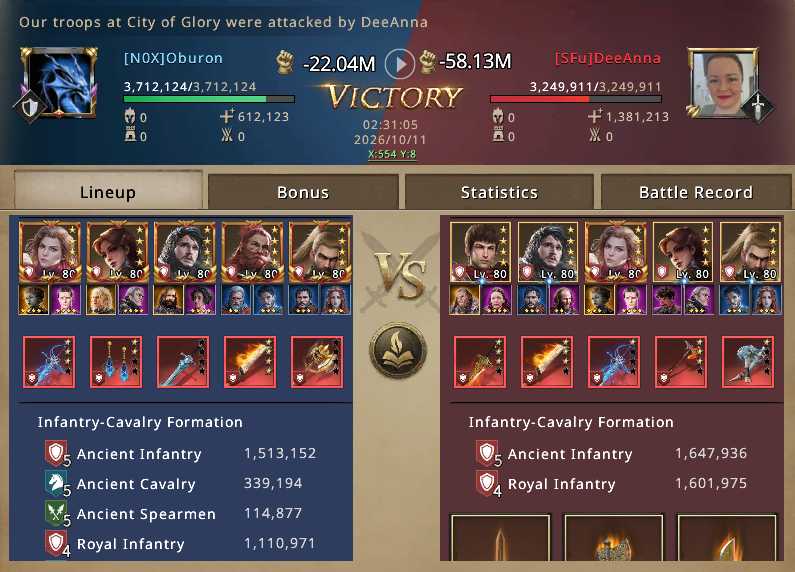
DeeAnna, one of Rale's fellow SFu members, was fighting on the opposite side. Under normal circumstances, they were members of the same alliance. In Arena of Honor, however, the random team setup had placed them against each other. With Glory City and other objectives still being contested, neither player could simply step aside. Despite the competitive situation, their encounter began with friendly conversation. There was something amusing about finding an alliance member on the other side of the battlefield, especially when both were trying to secure the same objectives. For a brief moment, the fight felt less like a clash between enemies and more like a friendly rivalry between two people who knew each other well enough to enjoy the situation. But the objective remained the same. Both players were there to compete, and being members of the same alliance outside the arena did not change the situation inside it.
For Rale, this was one of the strangest parts of playing without a permanent team. One week, he could be fighting alongside his SFu allies; the next, the arena could place them directly in his path. He never knew exactly who would become a teammate or who he would have to face as an opponent. The friendly exchange continued alongside the fighting, but neither player gave up the competition. Rale pushed forward, and eventually, he won their encounter. It was a satisfying moment for the lone hunter. He had faced a familiar opponent, enjoyed a friendly exchange, and still managed to come out on top. There was no need for hostility or hard feelings. They could have a good fight, share a laugh, and return to their respective sides. In a match filled with uncertain cooperation and simultaneous battles across the map, this personal duel became one of the most memorable moments of Rale's Arena of Honor session.
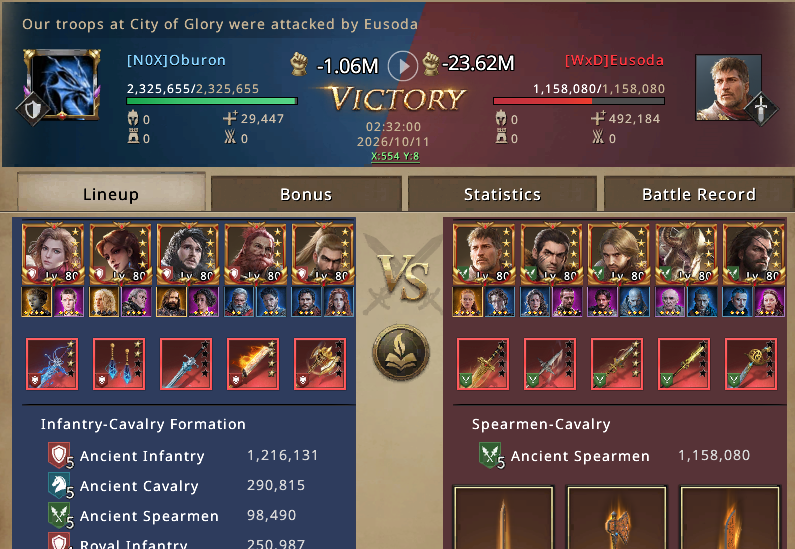
For King Rale, this match was a good example of what he had signed up for in his sixth season. There was no permanent team, no guarantee of reliable activity, and no certainty about the players he would meet. Every week could bring a different group of teammates, a different level of coordination, and a new set of opponents. Sometimes he would find players he could work well with, like Oburon. Other times, he would have to adapt to a team that was barely active. Sometimes he would face complete strangers, while on other occasions, he might find an SFu ally standing on the opposite side of the battlefield. That uncertainty could be frustrating, but it was also part of the excitement. Every match brought a different challenge. Every battlefield demanded adjustments. And there was always the possibility of an unexpected encounter that could turn an ordinary fight into a memorable story.
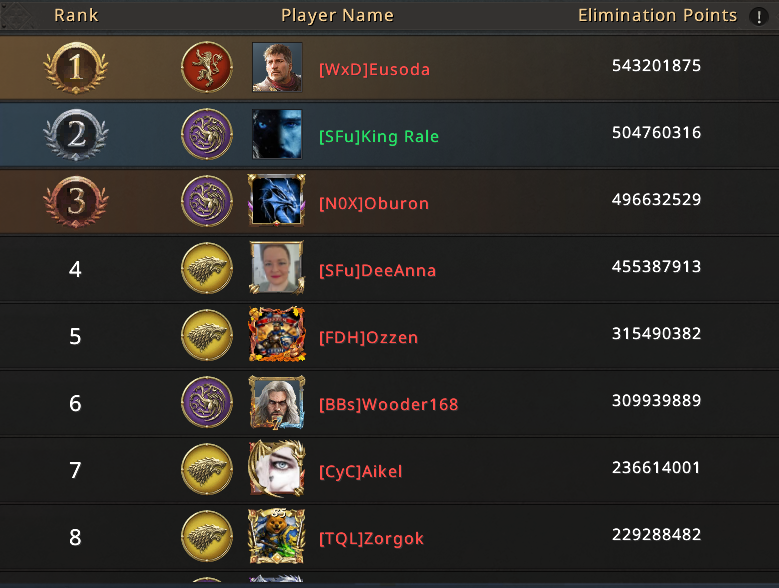
For King Rale, the sixth season was not about following one team through the arena. It was about finding his way through every situation, making the best of the players around him, and enjoying the adrenaline that came with never knowing exactly what awaited him.
The lone hunter would keep moving.
And the next arena would bring another story.
Translate

Projsiš Ajlau
This user has no description yet
Popular Posts
1

Timing or luck? (Invasion)
26 discussions 57 views
2

~ x Kate x vs TheTreeMan - The Crown at the End of the Second Assault | Kingdom 179 ~
20 discussions 59 views
3
N0X UC (S24 M3): Strategy vs. Raw Power
44 discussions 85 views