
This user has no description yet

vangark
After the first event in King’s Landing—in which BDR finished in last place because they began reclaiming territory about four hours earlier, while the other two alliances, having formed an alliance with each other, made a last-minute push—Vangark and his teammates were left without rewards since they held less than ten percent of the occupied territory.
The Old Gods made some changes, such as removing the effect of the army boost—something that had also affected them in the previous battle. Now, the three alliances would be on equal footing. Upon learning who their rivals were—FDH and WAO—the alliance leaders began devising a strategy to face this new confrontation. The first alliance is located in the northern part, while WAO is in the lower right section, with BDR facing them. Each alliance began advancing on the first day, trying to reach the points where resources and fortresses are located. WAO and FDH were the first to advance toward the center, and by the end of the first part of the day, a dispute had already broken out between them.
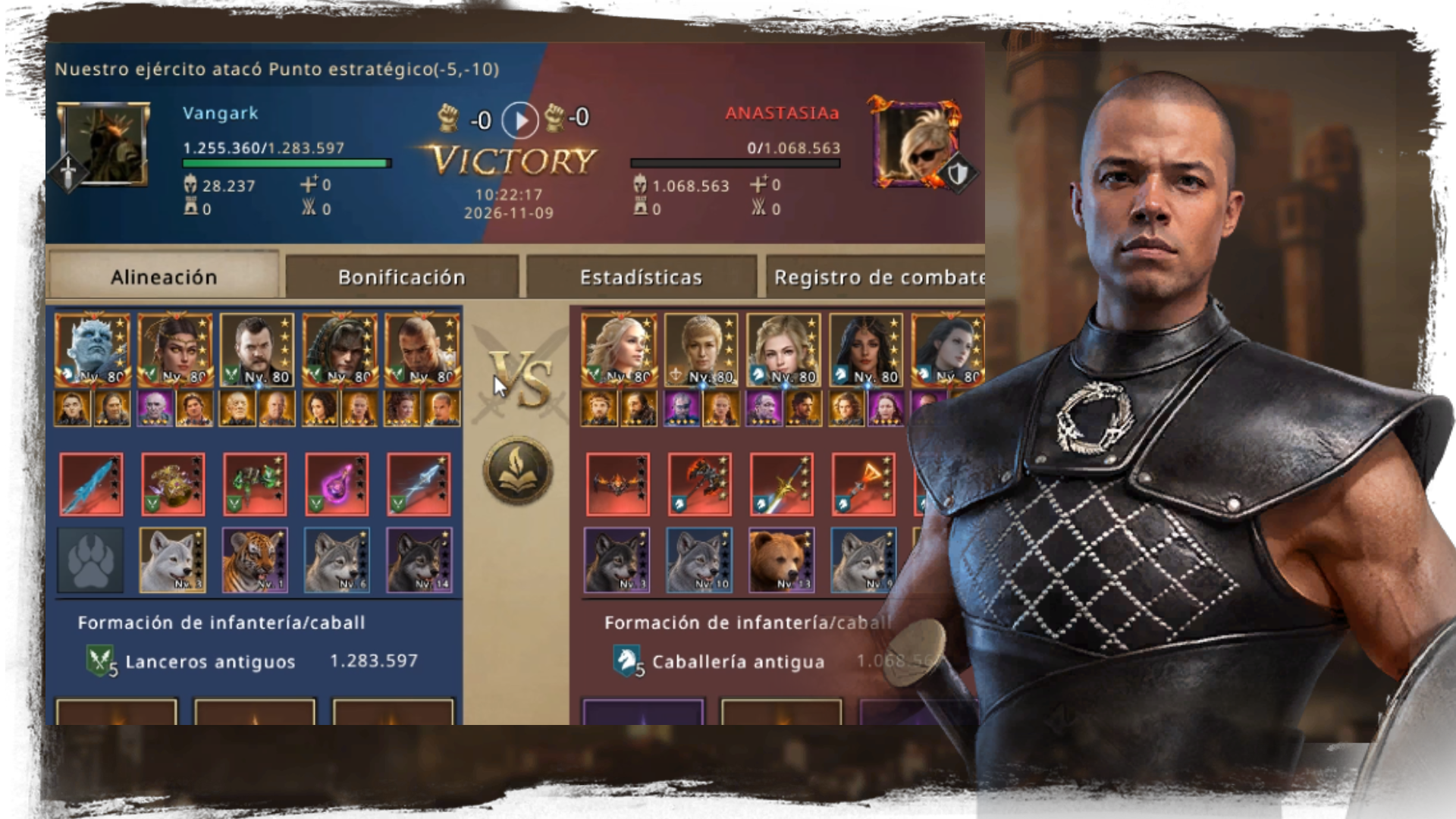
WAO has been a long-standing ally of BDR in numerous events, so this time they sent messengers to explore the possibility of working together—that way, they could split up the map and leave FDH isolated—but FDH hasn’t responded yet. This was taken to mean that they wanted to fight on their own, which wouldn’t be a bad thing; it would be a more even match than fighting against two alliances at the same time.
On the first day, Vangark began advancing slowly, also seeking out certain enemies to gauge their stats, so he’d know who to fight on the second day of battle—which would be the most decisive. Since this event awards points based on occupation rather than time spent on the map, he found this a bit unfair—he couldn’t see the logic in moving troops for two days if the outcome would always be decided in the event’s final hour.
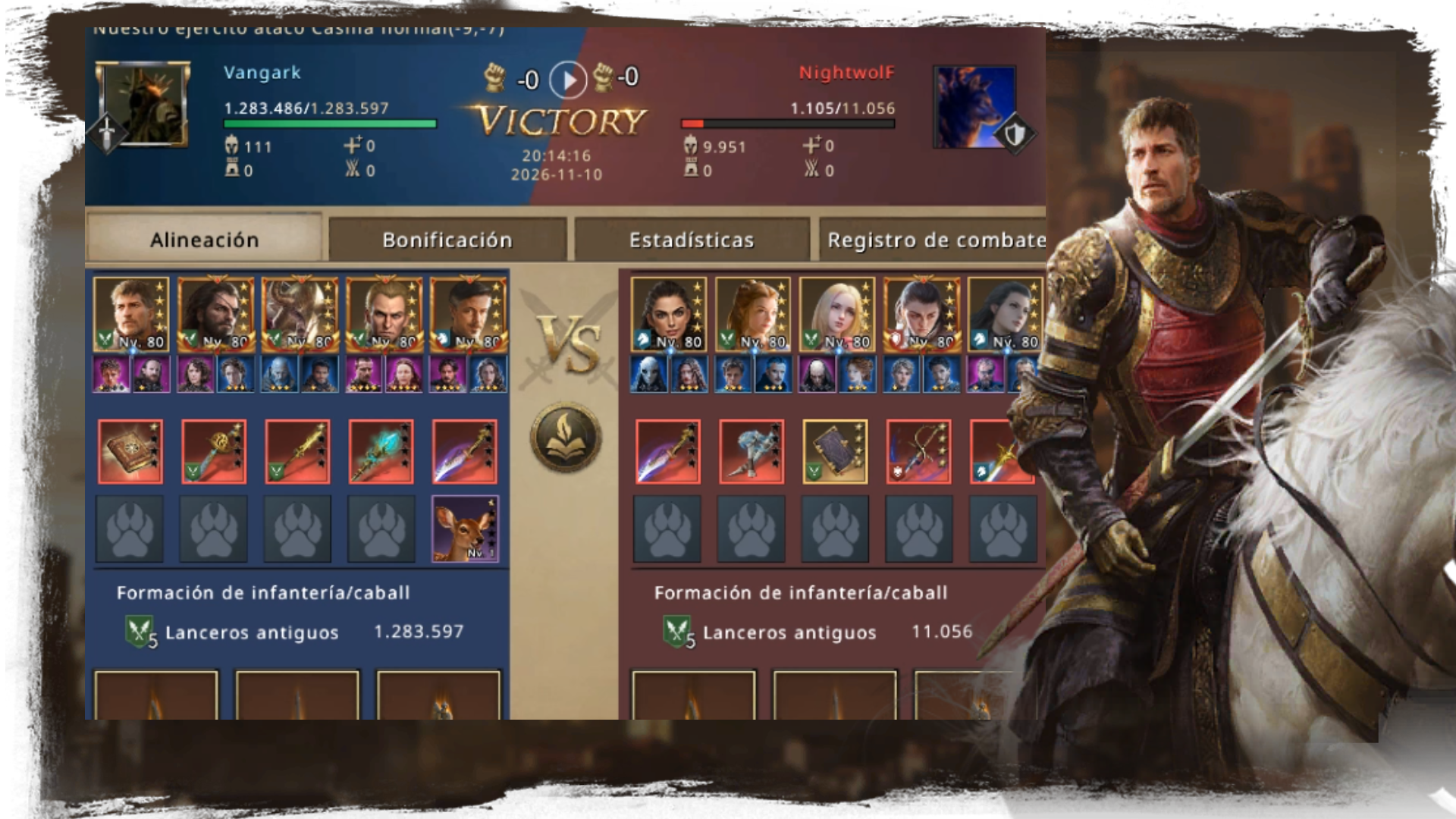
On this first day, he also realized that the farther his units were from his base, the more their stats—including their base attack—decreased drastically. He noticed this when one of his opponents defeated his main army with one of his secondary marches. This hadn’t happened in the first battle. That could complicate his advance, since it might not be possible to occupy all the buildings.
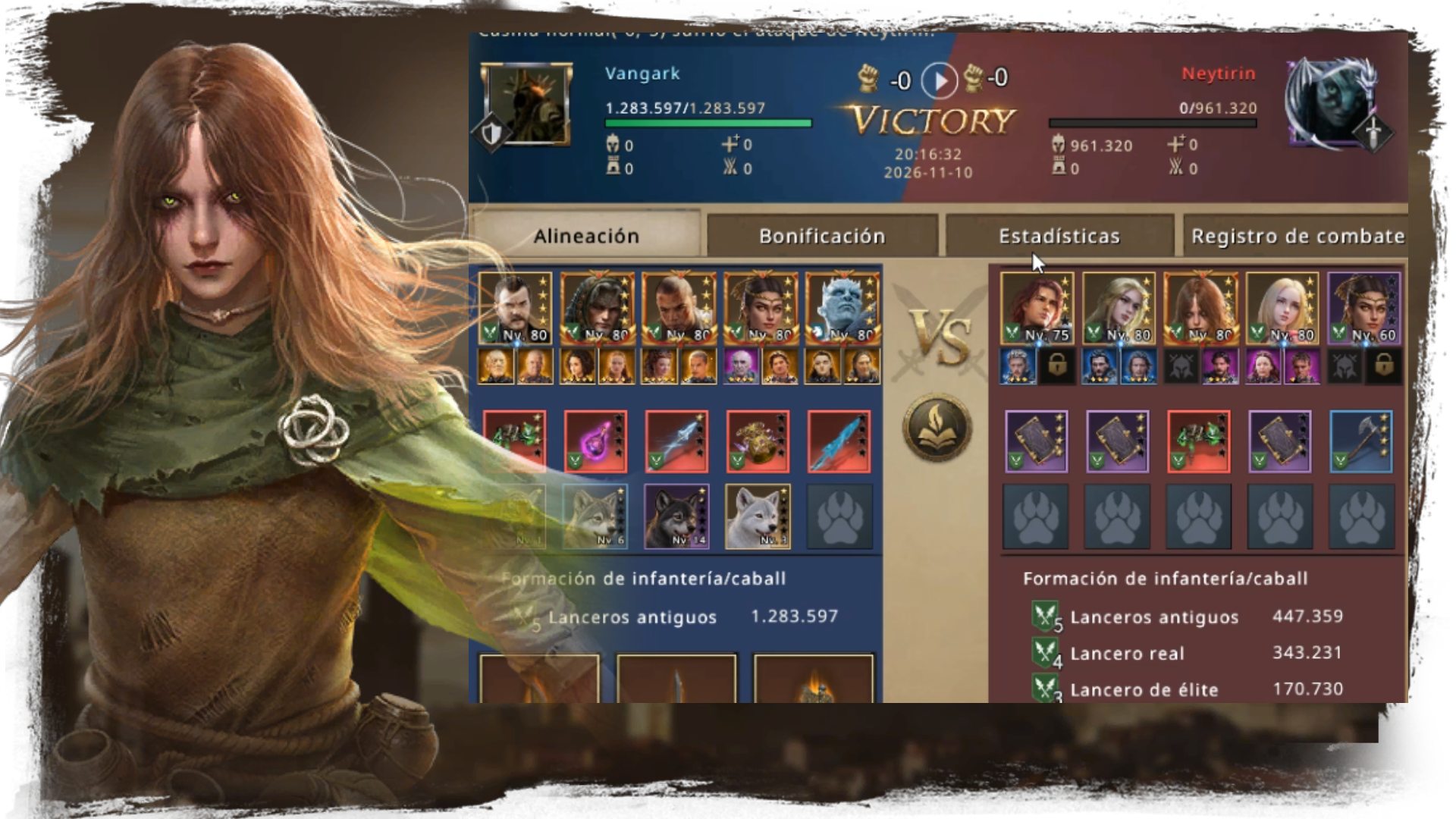
Fighting with reduced stats could be decisive. Vangark left all his armies at strategic points near his base; if the enemy decided to advance, at least one of them might win a few battles and thereby wear down the enemy’s efforts. It was his main army that survived seven battles at the start of the second day; his other two armies survived only two, but every attempt was necessary for that day. The council issued the order to advance two hours before the event ended. But this changed; they were informed that FDH and WAO were acting jointly against them. This came as a surprise to everyone who was aware of the situation. But they had to act fast. They would advance on both fronts; they began assessing who could occupy certain buildings. The main idea was to capture at least the majority, leaving just one to FDH, thereby leaving WAO without any territory—which was considered an act of betrayal. Both alliances began advancing across the entire map, leaving BDR completely isolated, without a single square. For them, this was the best course of action, since most of their opponents had already used up their attempts.
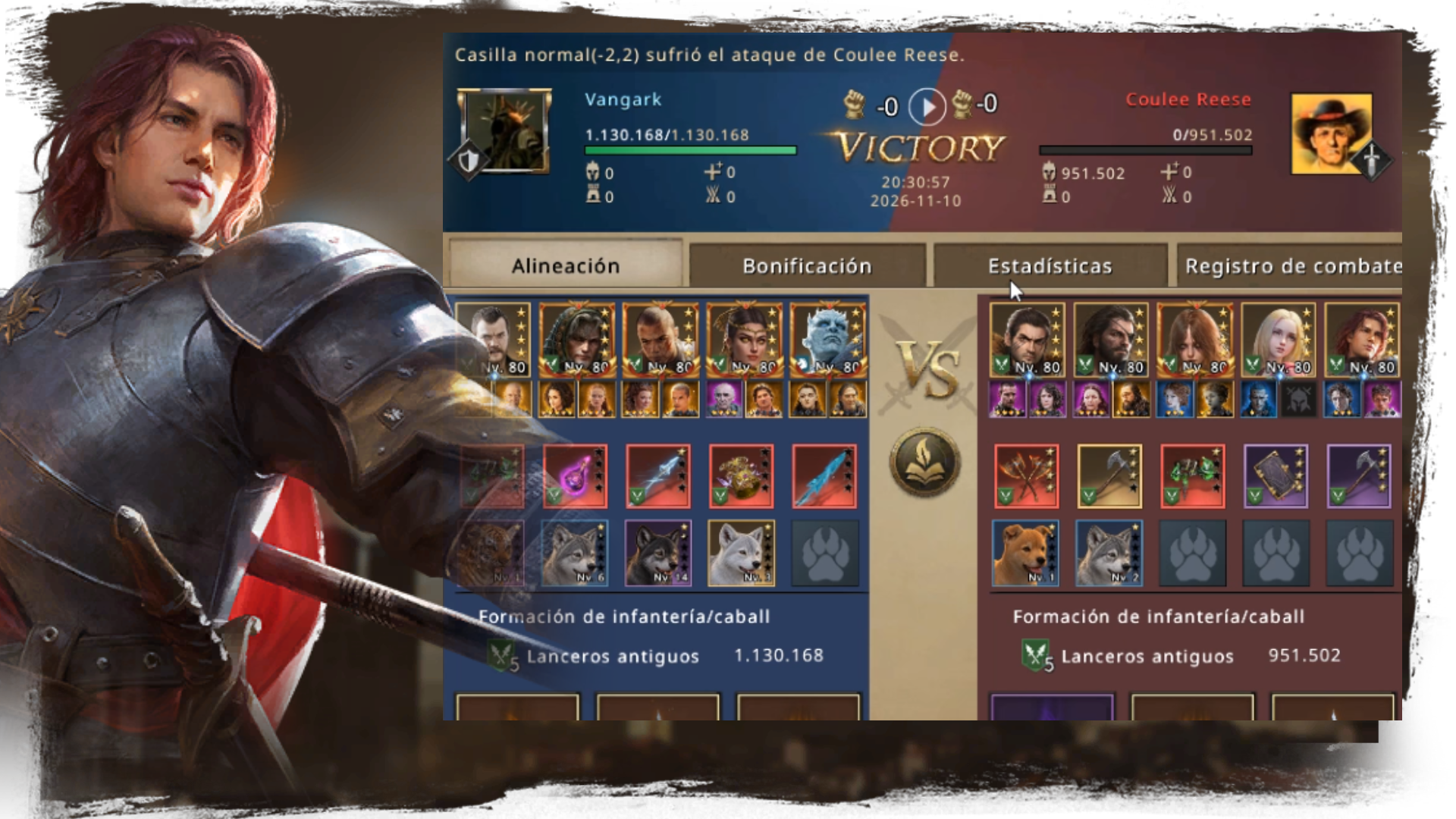
There’s a maximum of six per army, unless you want to use Black Diamonds. The order was given for everyone to be present. Vangark deployed his usual three armies: two spear armies and one cavalry army. And they began to deploy and advance across the map. At first, they didn’t encounter much resistance, but as they advanced toward the fortresses, they found them guarded by several armies, which would redeploy once defeated. Orders were given to cut off their retreat so they could no longer send reinforcements. WAO’s flank was the first to fall; all its fortresses and resources were captured, and when they tried to advance, they were stopped. The problem was FDH, which was better organized, constantly attacking and opening routes to send reinforcements, but over time they began to give ground. Vangark moved his armies with precision, only when necessary; if he saw a spear or cavalry unit attacking, he would deploy one of his marching units to stop it. The organized advance seemed to work, and they reached the last stronghold—the one they had initially planned to leave for FDH—but since the resistance was weaker than expected, they advanced and captured it, thereby isolating them as well. This allowed them to claim nearly all of the rewards.
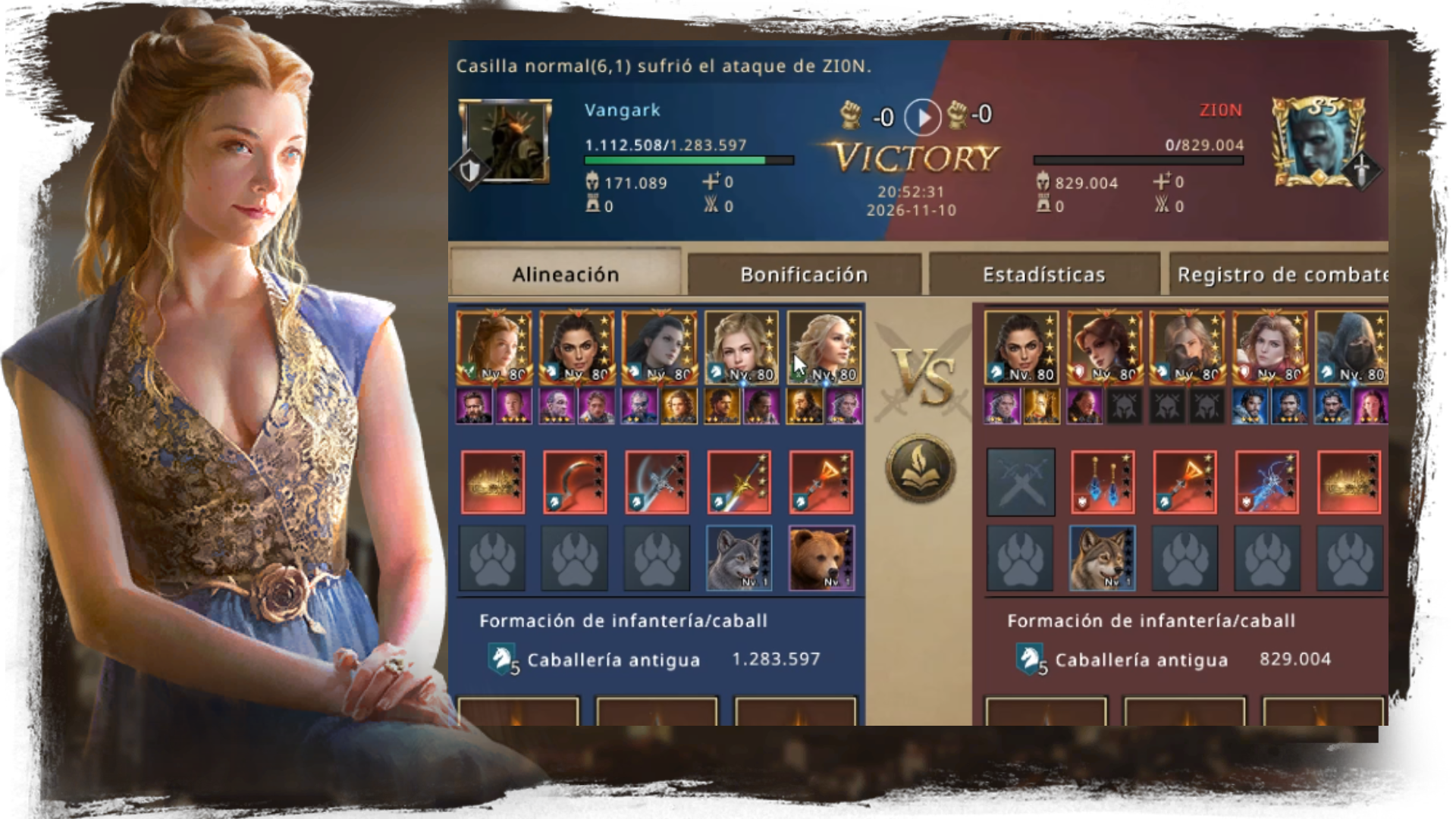
This time, the strategy was better planned than last time, even when fighting two opponents at once. Vangark, too, was able to wear down his opponents' advance and then their defense by positioning his armies at key points.
Translate

Popular Posts
1

UC: BDR vs. NBe - Proving them wrong
4 discussions 13 views
2

The farms - K310
9 discussions 19 views
3

KiNGSLAyER Burns K508 Down
5 discussions 12 views