
Infinity Kingdom Press Officer

m a ë l
Patch 2.9.0 is not built to impress on day one. It is built to reshape how competitive content unfolds over time.
There is no new Immortal headline here. No flashy system meant to grab attention. Instead, this update focuses on formats, pacing, and pressure points that have quietly defined Infinity Kingdom for months. Some of these changes fix long-standing friction. Others raise new questions that will only be answered once players engage with them at scale.
This article breaks down Patch 2.9.0 and reflects pre-release observations.
Table of Contents
- Introduction
- Throne of the Supreme Returns
- Zuma Tower and the New Risk Loop
- System and Activity Adjustments
- Chaos Immortal Balance Changes
- Final Take
1. Introduction
Patch 2.9.0 is a structural update.
Rather than adding another layer on top of existing systems, it revisits competitive formats, resource flow, and Immortal viability. These are changes that do not immediately alter how the game feels in a single fight, but they strongly influence who can compete, how often, and under what conditions.
This type of patch tends to divide players. For some, it feels light. For others, it quietly determines whether content remains engaging six months from now.
The real test of Patch 2.9.0 will not be launch day excitement, but whether it improves participation, fairness, and pacing across different spend levels.
2. Throne of the Supreme Returns
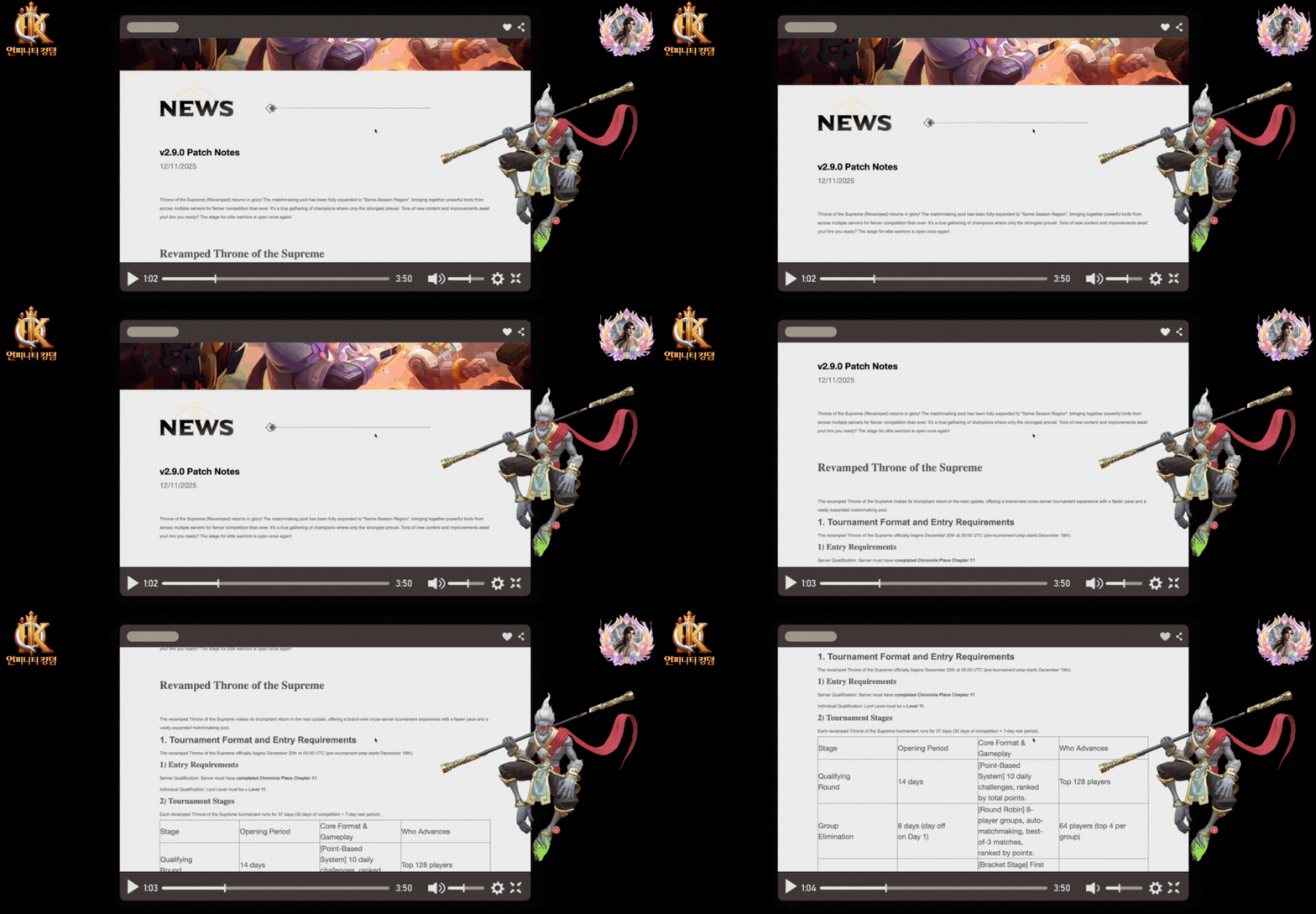
The centerpiece of Patch 2.9.0 is the return of Throne of the Supreme, now presented as a revamped, faster-paced cross-server tournament.
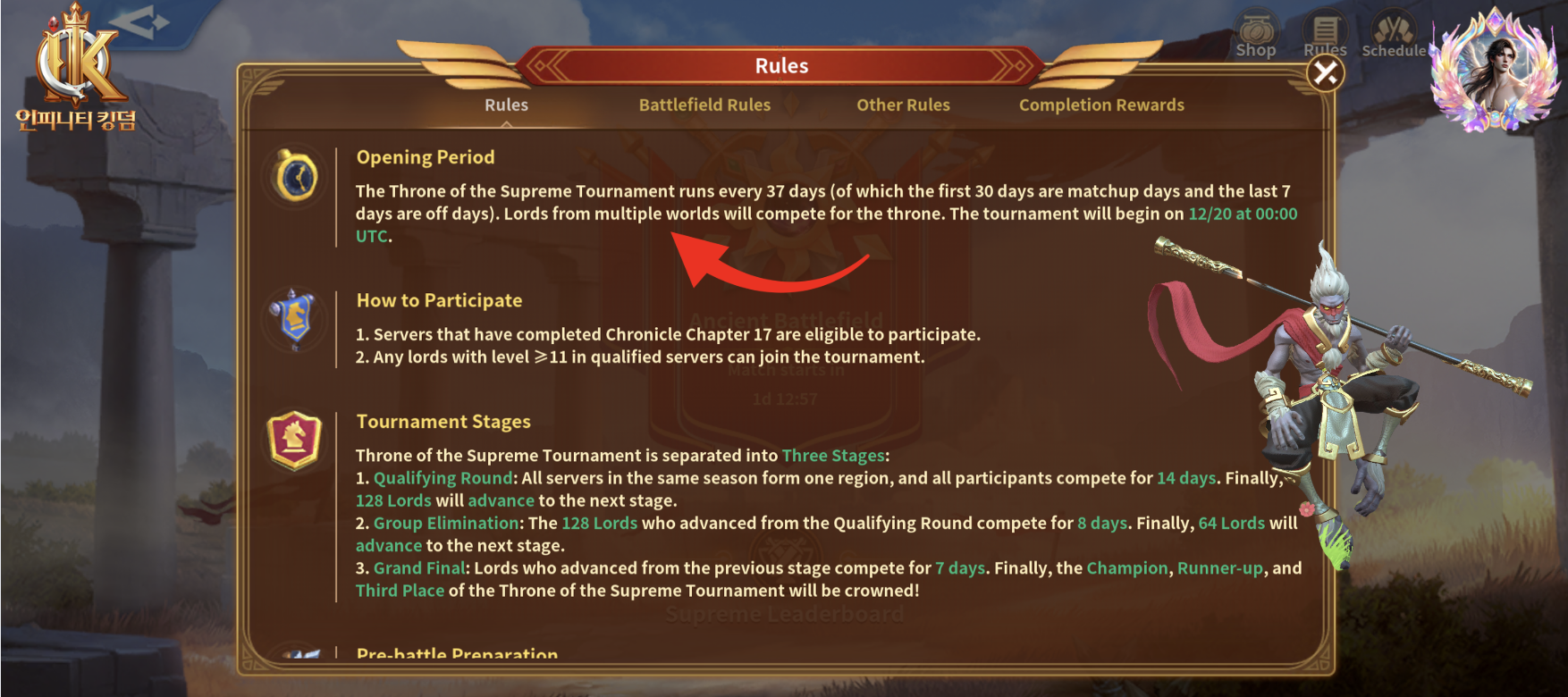
On paper, the structure is clear and disciplined. The tournament runs on a fixed cycle, progresses through defined stages, and removes many of the pacing issues that plagued earlier versions. Combat rules remain familiar: auto-mode only, fixed four-unit lineups used for both attack and defense, and no mid-fight interaction. This is appropriate for a flagship competitive mode. Stability matters here.
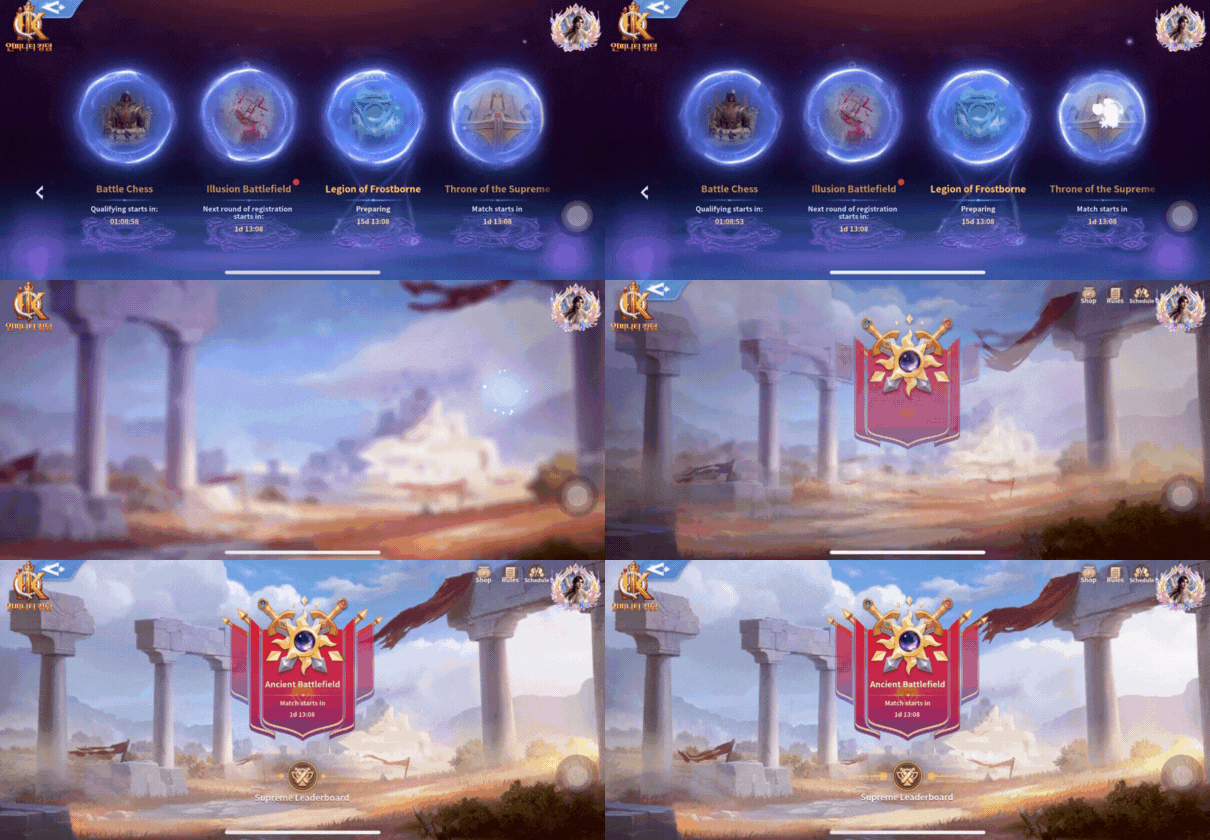
Where the rework becomes more controversial is matchmaking.
The new Throne pulls competitors from a Same-Season Region pool. That means players are matched not just across neighboring servers, but across all servers within the same season bracket. The intention is obvious: raise competition, consolidate elite play, and reinforce Throne as a prestige-driven event.
The risk is just as obvious.
Expanding the pool does not automatically increase meaningful competition. If the same high-investment accounts dominate qualification every cycle, the event becomes faster, cleaner, and more predictable but not necessarily more engaging for the majority of participants. Reaching the Top 128 sounds accessible, until that ranking is drawn from an entire seasonal population rather than a limited server cluster.

This matters because Throne has always struggled with participation depth. Many players enjoy the format but disengage once progression stalls. A wider pool raises the bar even further unless alternative competitive paths exist beyond the main elimination bracket.
At the same time, it is important to acknowledge what this rework does well.
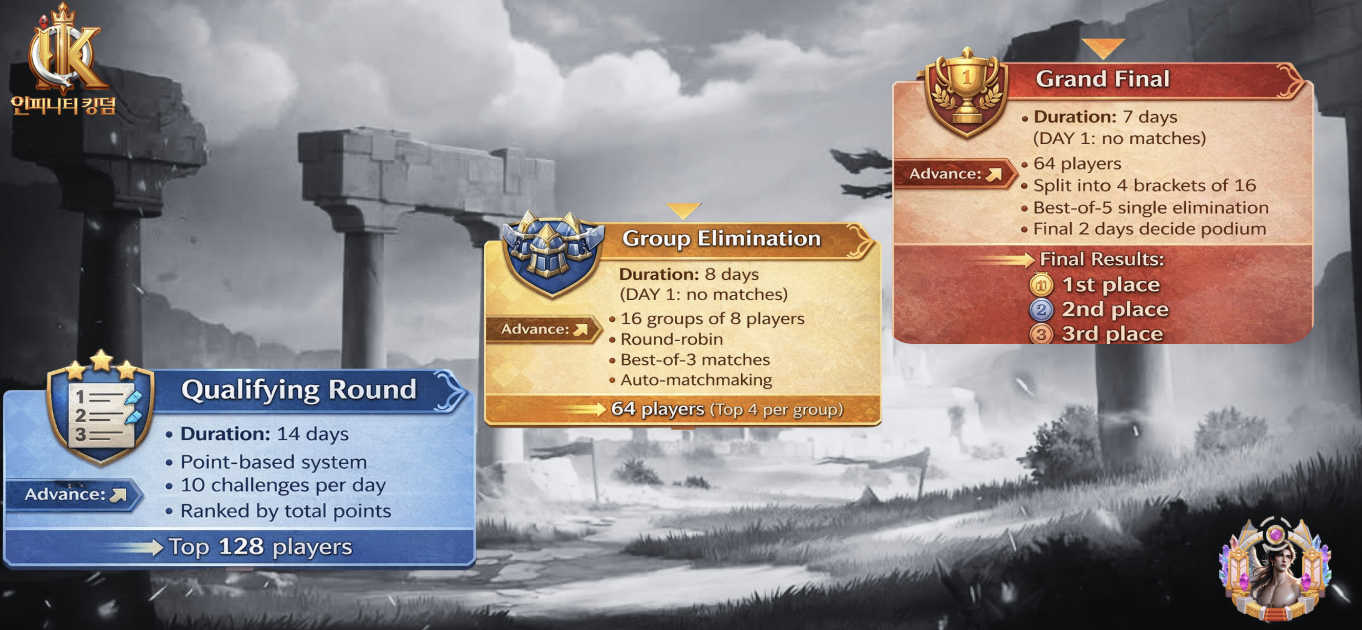
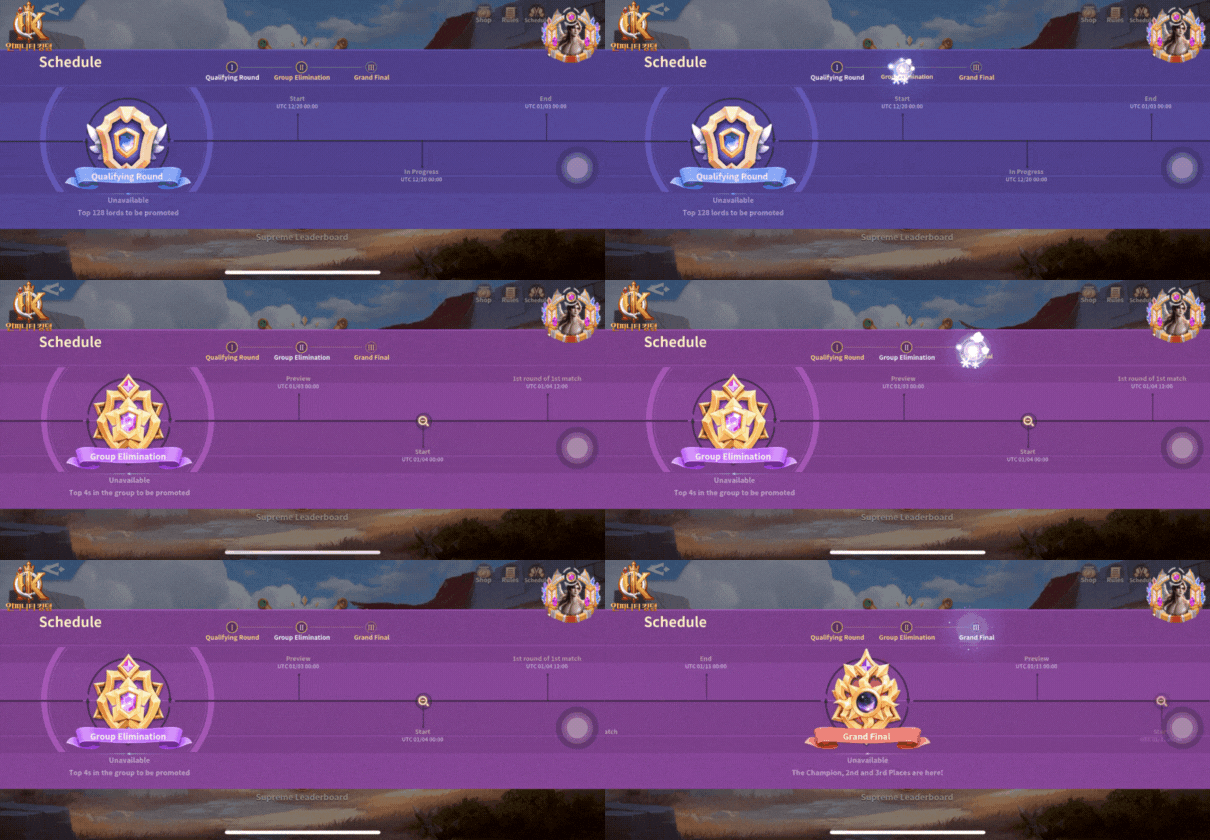
The tournament stages are clearly defined. Downtime is reduced. Match flow is predictable. Lineup adjustments between rounds are preserved. These are real improvements. The structure itself is not the problem.
Qualifying and Group stages offer the same rewards as the previous iteration of the event: Gems, Artifacts, and Julius Caesar’s exclusive artifact.
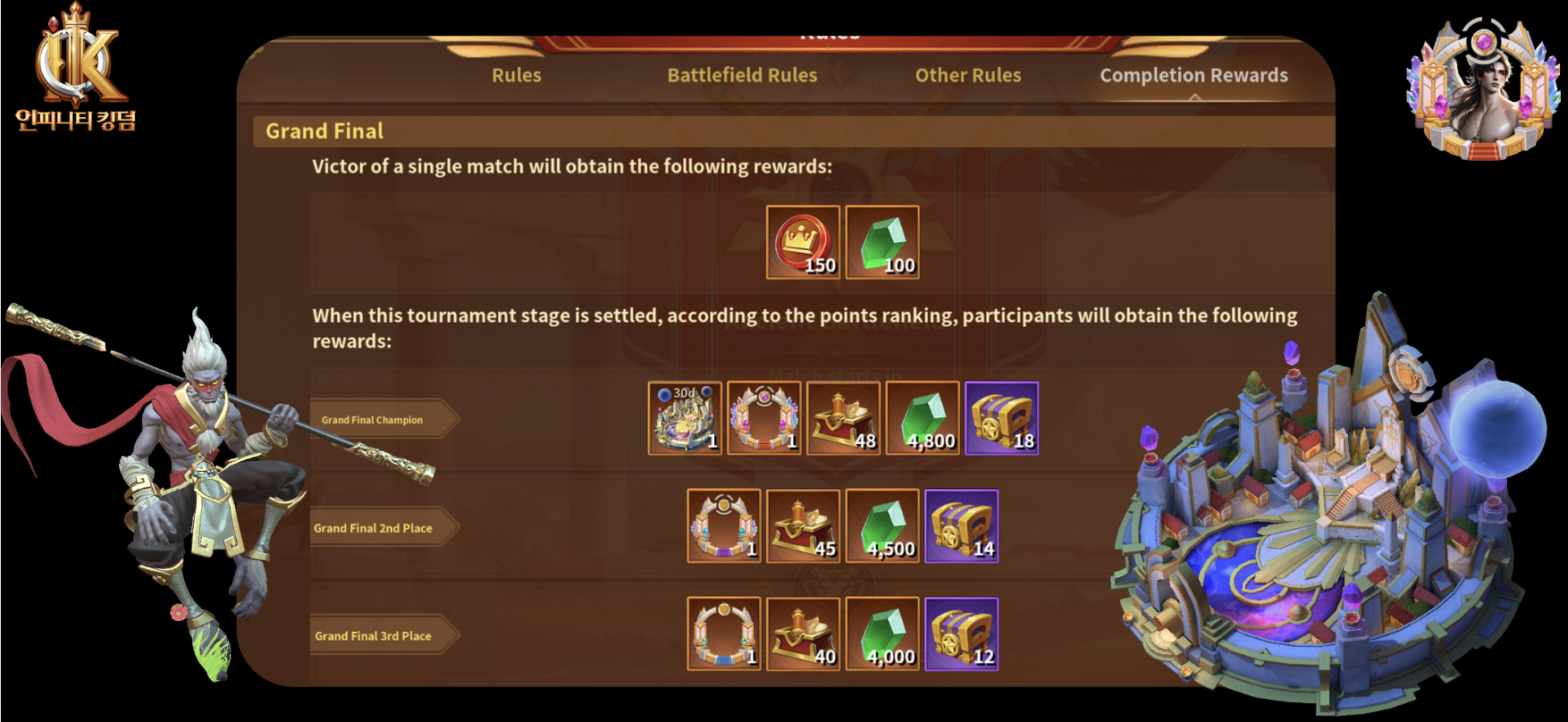
New rewards have been included for Grand Final stage. That includes an exclusive Castle Skin "Peak of King", which grants Troops HP and additional honor when attacking ennemies. Note this is a temporary skin that lasts for 30 days and that does not seem upgradable for now.
Maël’s Opinion:Throne of the Supreme is better organized than before, but organization alone does not fix accessibility. This rework strengthens the top of the ladder. Whether it meaningfully supports the middle depends on how qualification pressure plays out once real player data replaces theory.

3. Zuma Tower and the New Risk Loop
Zuma Tower replaces Primal Pinball and immediately signals a shift in how Infinity Kingdom wants players to engage with Stardust and high-end progression resources.
At its core, Zuma Tower is a risk ladder. Each attempt moves you up, down, or nowhere at all. You choose when to stop. The higher you climb, the better the rewards. Push too far, and progress can unwind just as quickly.
This is not a skill test. It is a probability test.
The key mechanic is the reset. Once rewards are claimed, the run ends and you return to the base floor. This creates a familiar loop seen in other games: incremental risk, escalating reward, voluntary exit. The design encourages repeated engagement rather than one decisive push.
What remains unclear, and critically important, is protection.
Pre-release footage shows a temporary effect that prevents floor loss. The patch notes do not confirm whether this is permanent, purchasable, limited, or test-only. That distinction will define how Zuma Tower is perceived
With protection, the mode becomes controlled progression.
Without it, the mode becomes a high-cost gamble. That distinction fundamentally changes player behavior.
From an economy perspective, Zuma Tower appears designed to loosen Stardust availability while maintaining spending pressure. Mid-spenders are likely to see meaningful gains. Free-to-play players may access the mode but struggle to climb consistently without stockpiled resources.
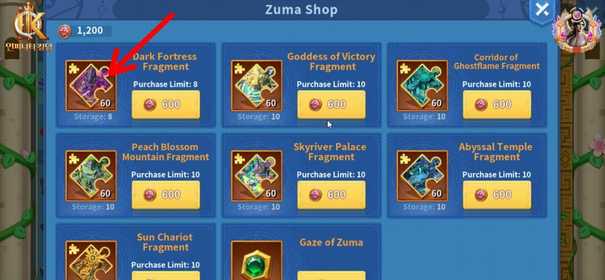
The Zuma Shop allows the purchase of Castle Skins, including Dark Fortress (formerly VIP 15), which is now upgradable.
Maël’s Opinion: Zuma Tower has strong design bones. The question is not whether it is fun, but whether it is fair. Protection mechanics and Pearl pricing will decide whether this becomes a long-term progression feature or another event players learn to ignore after a few bad runs.
4. System and Activity Adjustments
Patch 2.9.0 includes several smaller changes that do not grab attention individually, but together improve pacing and fairness.
Alliance Supremacy matchmaking is now limited to within the same season. This is a direct fix to a long-standing issue where developing alliances faced opponents from far more advanced server states. This change should immediately improve competitive clarity and reduce pointless matchups.
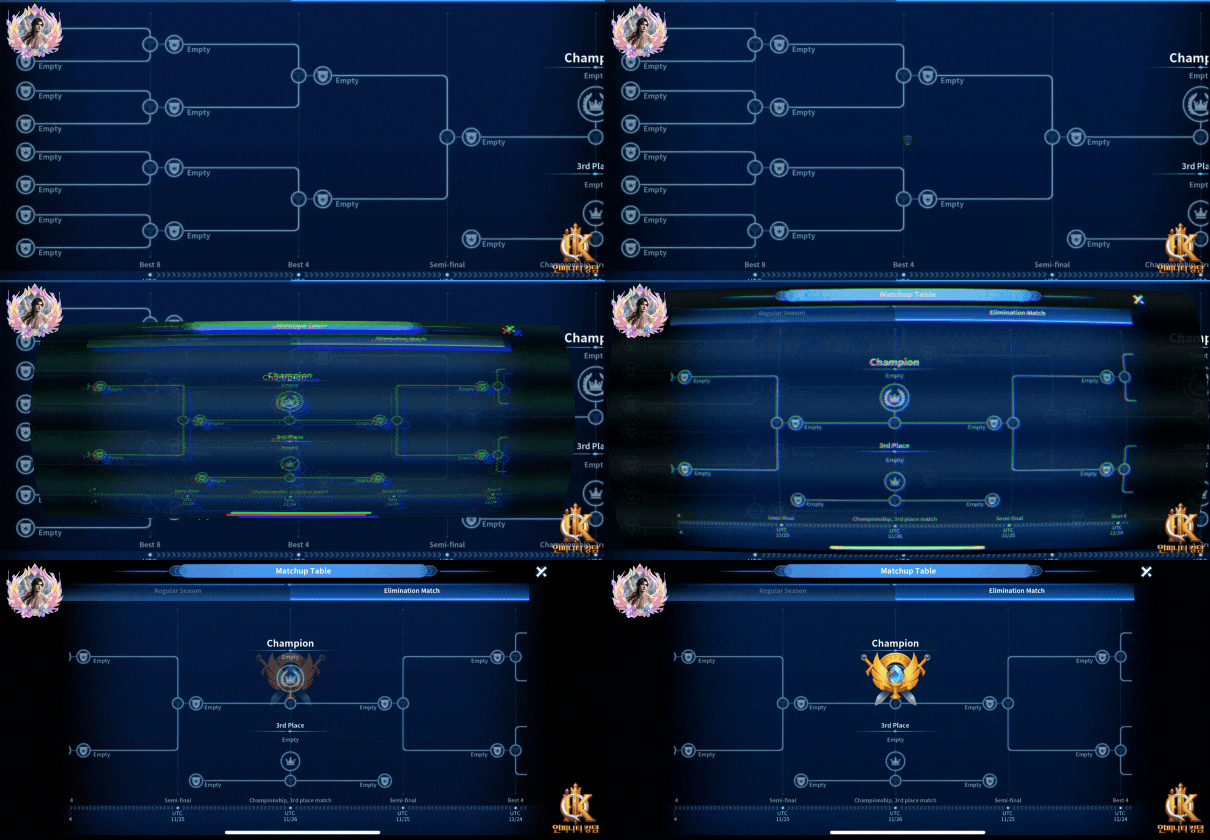
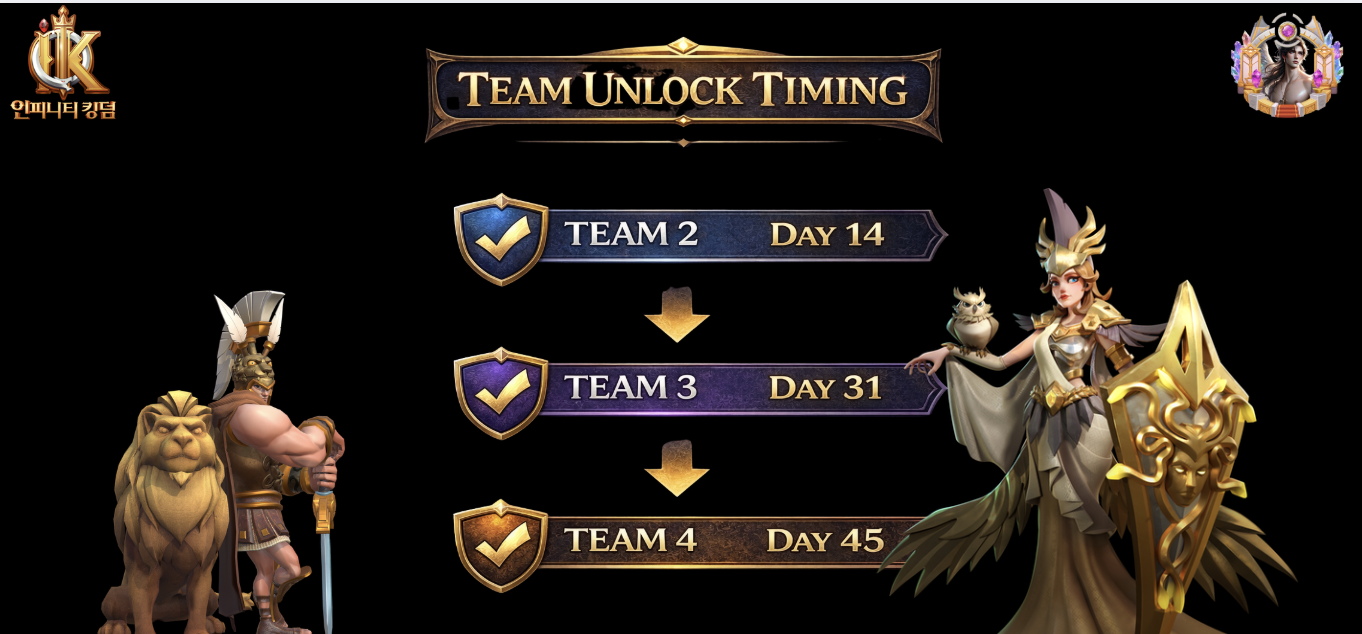
Arena team unlocks are now tied to server age rather than progression speed. This removes the advantage of rushing unlocks through spending and standardizes access across the server timeline. In practice, most outcomes are still decided by a single dominant march, but the change smooths early imbalance.
Infernal Assault gold rewards are increased, with diminishing returns applied across attempts. This is a quality-of-life adjustment for most players. It reduces the need for extreme grinding while preserving efficiency for moderate participation. Heavy grinders lose upside, but the overall health of the mode improves.
Immortal Spirit Power Indicator. Patch 2.9.0 introduces a Spirit Power Level indicator for Immortals.
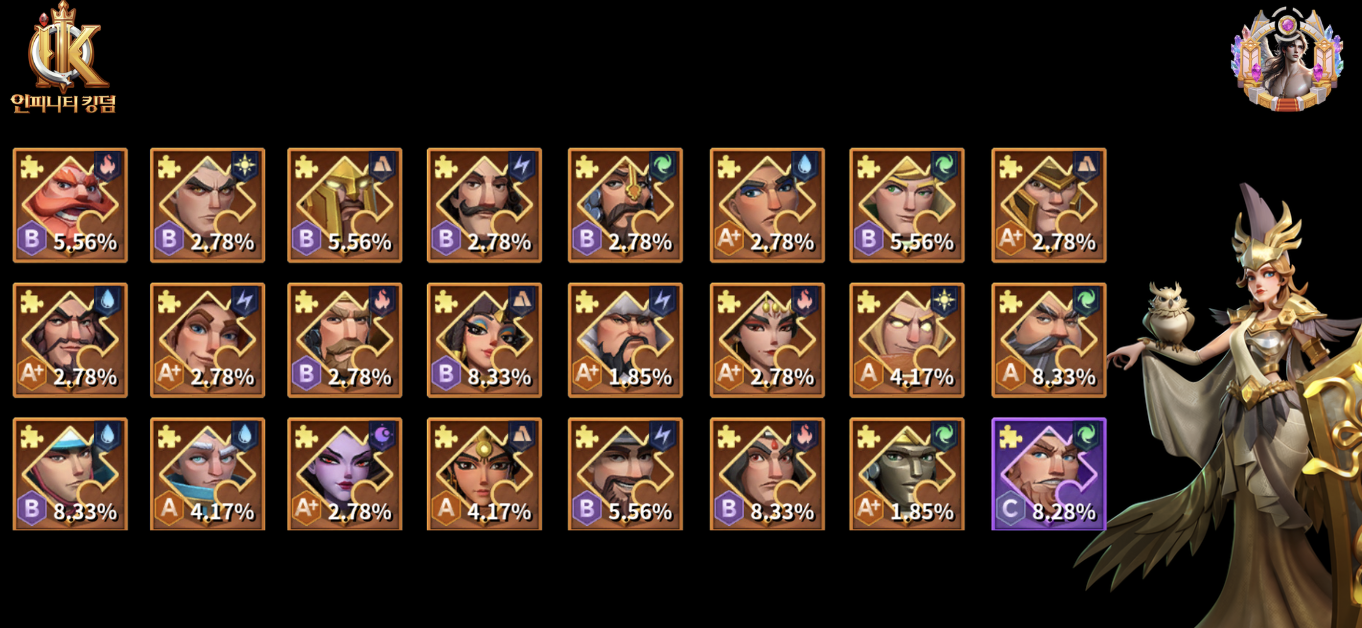
Its goal is simple: make strength differences visible between Immortals of the same rarity, especially in the early and mid game.
Until now, rarity often masked real power gaps. Two Epic or Legendary Immortals could look equivalent at a glance while performing very differently due to stars, skills, and investment. The new indicator surfaces that difference instantly, without forcing players to open multiple menus or compare stats manually.
This change does not affect combat or scaling. It is purely informational. Its value lies in clarity.
For newer players, it reduces confusion when choosing which Immortal to invest in. For experienced players, it speeds up evaluation when reviewing lineups, reports, or early server matchups.
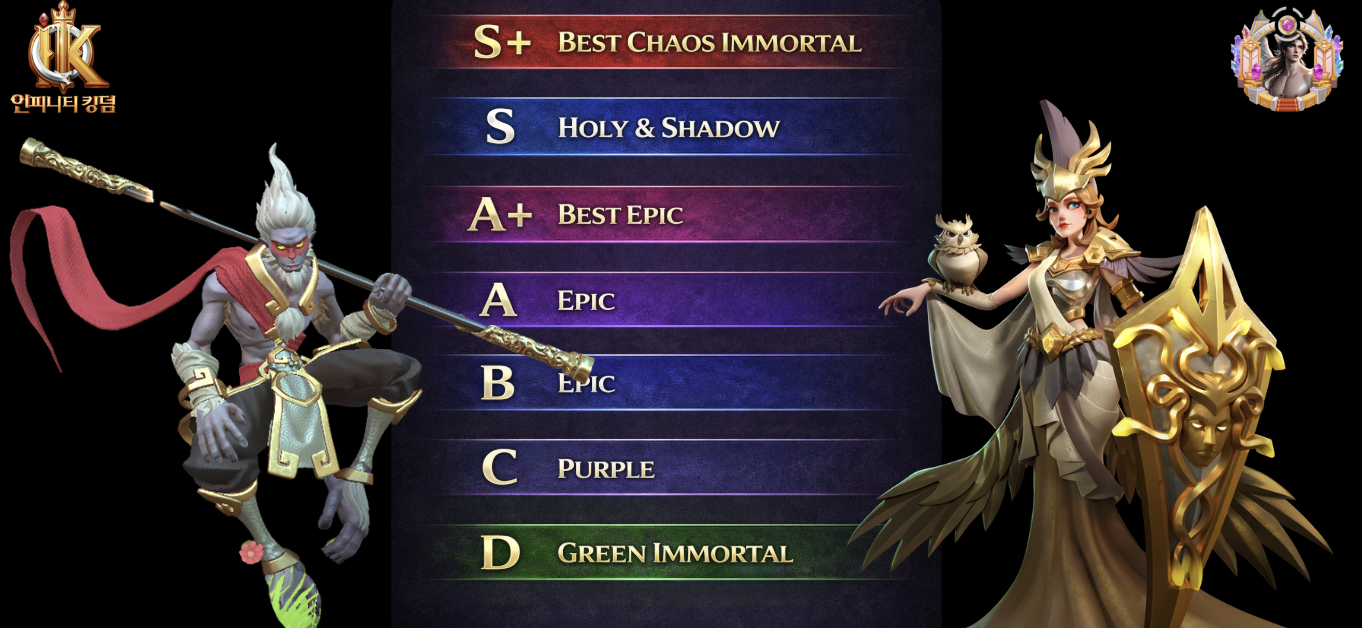
This is a small change with real impact. It doesn’t change balance, but it improves decision-making. Anything that reduces hidden information without simplifying gameplay is a net positive, especially early on, where bad investments are the hardest to undo.
None of these changes redefine the game. All of them reduce friction.
Maël’s Opinion: No spectacle, no marketing hook, just quieter systems that stop fighting the player. These changes will not be praised loudly, but they will be felt every week.
5. Chaos Immortal Balance Changes
All Immortal adjustments in Patch 2.9.0 are buffs, and all of them target Chaos Immortals. That is not accidental.
Apollo receives a base Energy Regen increase that restores tempo lost as newer backliners entered the meta. This does not push him ahead of Medusa in my opinion, but it prevents him from falling out of relevance.
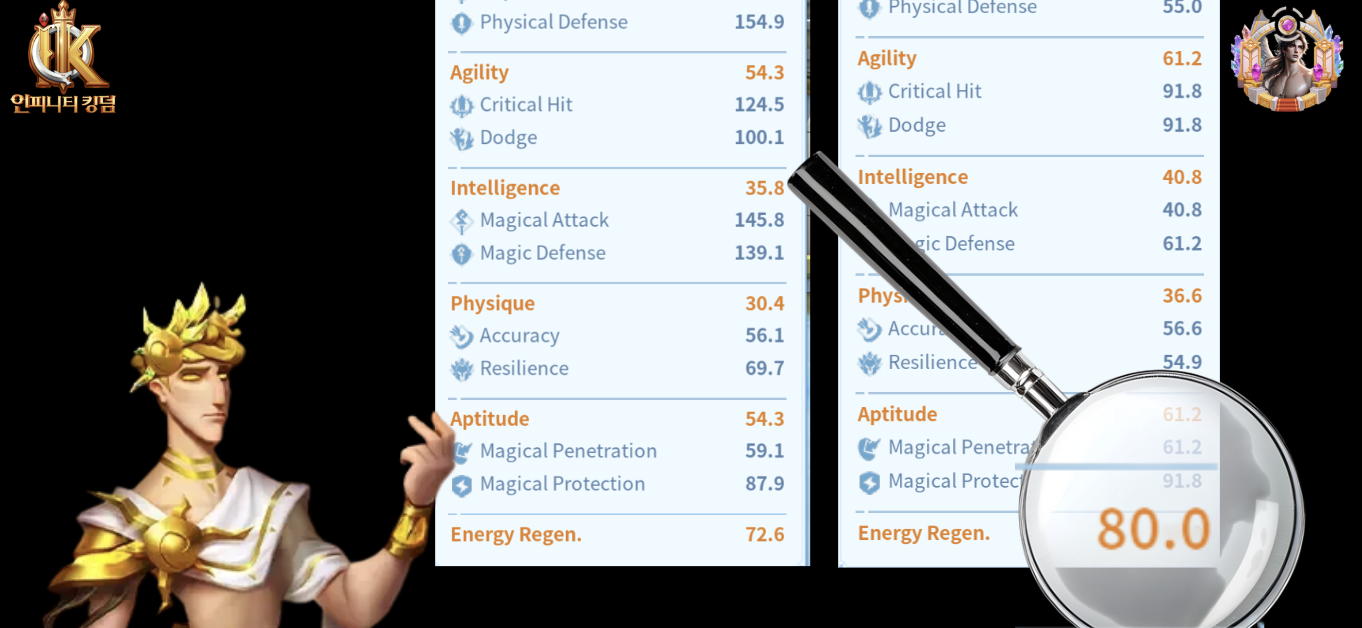
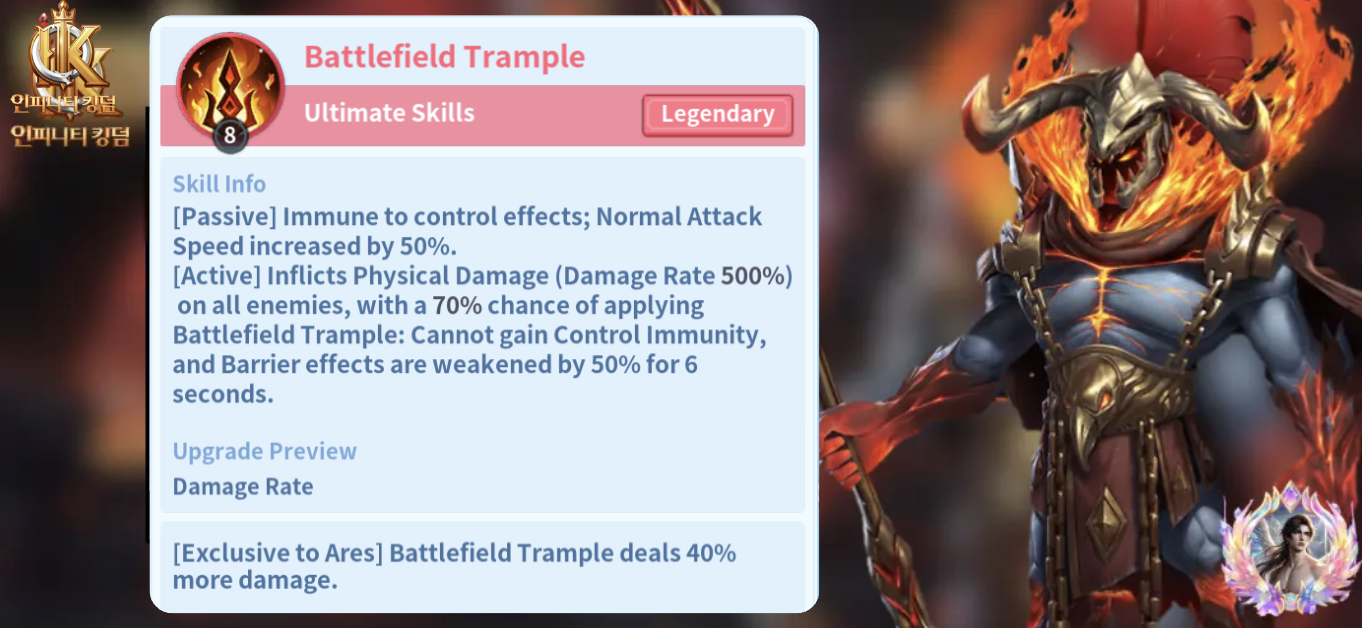
Ares gains built-in control immunity, a much higher Frighten consistency, and stronger barrier weakening. This finally aligns his kit with his intended role. He becomes reliable. Control immunity ensures uptime, and the improved Frighten chance turns disruption from a theoretical upside into something that actually happens in battle. This is a defining buff.
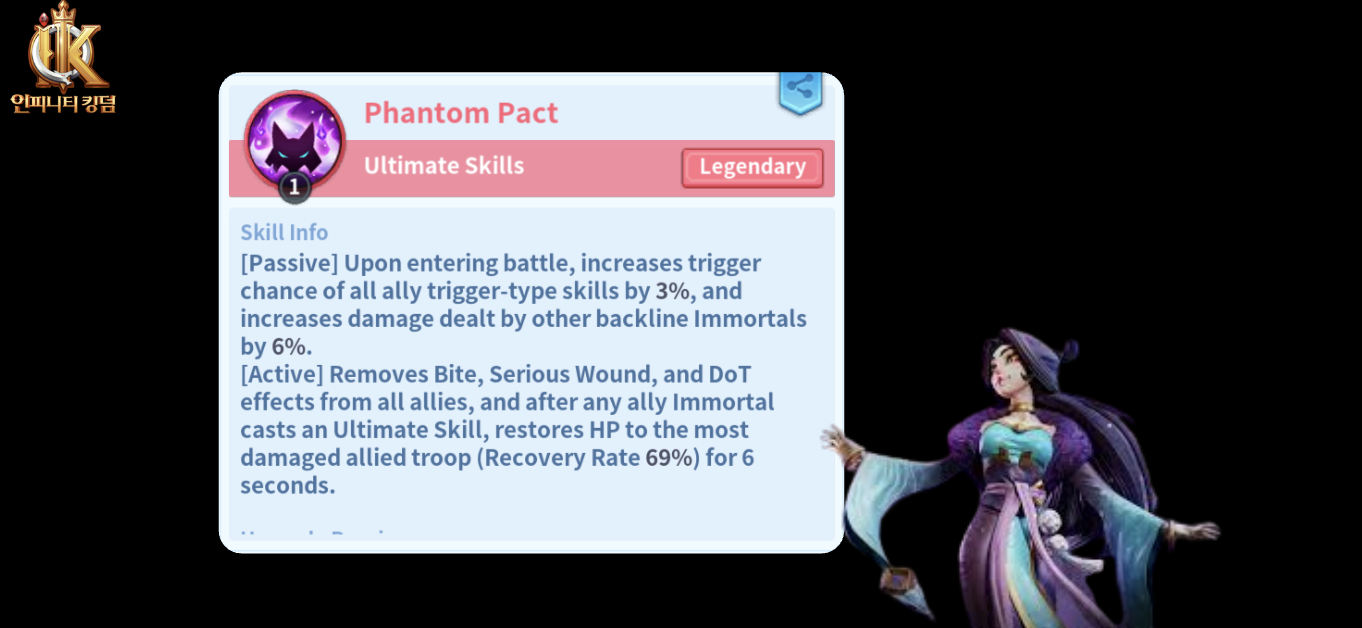
Nine Tails gains backline damage amplification alongside her existing trigger-skill synergy. This shifts her from a situational pick into a legitimate support alternative. She does not universally replace Fu Fei, but she now competes for the slot rather than existing on the margins.
The common thread is clear. These buffs do not introduce new mechanics or risks. They remove failure points and reinforce identities that already worked.
Maël’s Opinion: This is solid balance design, but it is also a little disappointing. Chaos Immortals are already among the most powerful and the least accessible in the game. While it is understandable that the meta needs to keep pace with new releases like Medusa, and that high-spending players expect continued relevance, the result is a widening gap. Recent history tells the story. Accessible Immortals have seen nerfs or stagnation, with Baldwin being the most recent example, while Chaos continues to receive refinement and reinforcement. From a player perspective, this does not feel like balance. It feels like consolidation. It would be refreshing to see similar attention given to more accessible Immortals, not to push them into dominance, but to keep them viable and engaging. Right now, the message is subtle but consistent: Chaos keeps getting stronger, and everything else is expected to adapt.That may be good for the top end of the ladder. For the broader player base, it risks making the meta feel narrower rather than deeper.
6. Final Take
Patch 2.9.0 is not a patch you feel immediately. It is a patch you notice over time.
Throne of the Supreme is back with clearer rules, tighter pacing, and a structure that finally makes sense on paper. Whether it becomes truly competitive or remains an elite-only showcase will depend on how accessible participation feels once the novelty wears off.
Zuma Tower introduces a new way to approach Stardust progression. The concept is interesting. The risk is obvious. Its long-term value will come down to pricing and how punishing failed runs actually are once players move past early floors.
Most of the other changes will not headline discussions, but they will improve daily play. Matchmaking feels fairer. Progression gates are clearer. Some long-standing friction points are finally addressed.
The Immortal buffs follow a familiar pattern. Chaos grows more refined, more reliable, and more complete. That keeps the top of the meta stable, but it also raises questions about how wide the gap is allowed to become.
For more insights, check out my previous articles here.
- download Infinity Kingdom now and script your legend.
Until next time — Maël, Press Officer
Translate

Popular Posts
1
!["Helena y la Tempestad Glacial" [Rincón de las Historias] - Infinity Kingdom](https://oss.gtarcade.com/forum/gif/2026-07-26/546754_57a016a0-c078-4d51-a2b8-639f8364d325_233808.gif?x-oss-process=image/resize,w_150,h_150)
"Helena y la Tempestad Glacial" [Rincón de las Historias] - Infinity Kingdom
75 discussions 97 views
2
!["¡Introducción a Federico I!" Inmortal Ideal para Recuperar Vida Mientras Devasta al Enemigo [Manual de Inmortales] - Infinity Kingdom](https://oss.gtarcade.com/forum/gif/2026-07-26/546754_147b04e7-5082-427a-bc02-3f4b41b70ed9_232612.gif?x-oss-process=image/resize,w_150,h_150)
3
!["Julio César y la Lanza del Imperio Eterno" [Rincón de las Historias] - Infinity Kingdom](https://oss.gtarcade.com/forum/gif/2026-07-19/546754_bd8f57ed-39db-4905-88c4-abc20189ea7b_012116.gif?x-oss-process=image/resize,w_150,h_150)
"Julio César y la Lanza del Imperio Eterno" [Rincón de las Historias] - Infinity Kingdom
199 discussions 266 views