
Infinity Kingdom Press Officer

m a ë l
When Rune Factory first arrived in Infinity Kingdom, it sparked one of the game's biggest discussions. Replacing Sparks of Galaxy was always going to divide opinions, and during those first weeks, almost every conversation revolved around comparisons, probabilities, and whether the new system could truly fill the gap left by its predecessor.
Today, that debate has largely settled.
Rune Factory is no longer a new feature. It has become part of the weekly routine, returning every Sunday and quietly contributing to long-term account progression. The mechanics are familiar, the adjustments made since launch have reshaped the event, and most players have now experienced enough cycles to judge it for what it is rather than what replaced it.
Looking back after several months, Rune Factory tells a much more interesting story than it did at launch. It is no longer simply a replacement for Sparks of Galaxy. It has developed its own identity, its own strengths, and its own limitations.
So rather than revisiting old comparisons, let's look at Rune Factory as it exists today and examine the role it now plays in Infinity Kingdom.
Table of Contents
- Rune Factory finds its identity
- A progression system built for consistency
- Different value for different players
- Strengths that emerged over time
- Where Rune Factory still falls short
- Has Rune Factory earned its place?
- Final thoughts
Introduction
Time often changes the way we judge new content.
When a feature first arrives, it is natural to compare it with what came before. Expectations are high, opinions form quickly, and every difference feels significant. Rune Factory experienced exactly that. Replacing Sparks of Galaxy meant that every reward, every mechanic, and every limitation was immediately placed under the microscope.
Several months later, that perspective has changed.
The event has become familiar. Players understand its rhythm, know what rewards to expect, and have watched it evolve through multiple updates. Early frustrations have been addressed in several areas, while other criticisms remain just as relevant today as they were during the first weeks.
That makes this a good moment to revisit Rune Factory with fresh eyes.
Instead of asking whether it succeeded as a replacement, the more interesting question has become whether it succeeds as a weekly event in its own right. Does it offer satisfying long-term progression? Does it deserve a permanent place in the event rotation? And perhaps most importantly, who actually benefits from it today?
Let's take a closer look.
1. Rune Factory Finds Its Identity
One of the biggest changes surrounding Rune Factory hasn't come from the event itself, but from the way players now perceive it.
During its first weeks, it was almost impossible to discuss Rune Factory without mentioning Sparks of Galaxy. Every reward was compared, every mechanic measured against its predecessor, and every shortcoming seemed amplified simply because players were still adjusting to the change.
That phase has largely passed.
Today, Rune Factory is judged on its own merits. It has become a familiar part of the weekly schedule, appearing with a predictable rhythm that players have learned to integrate into their progression. Rather than feeling like an experimental feature, it now behaves like one of Infinity Kingdom's established recurring events.
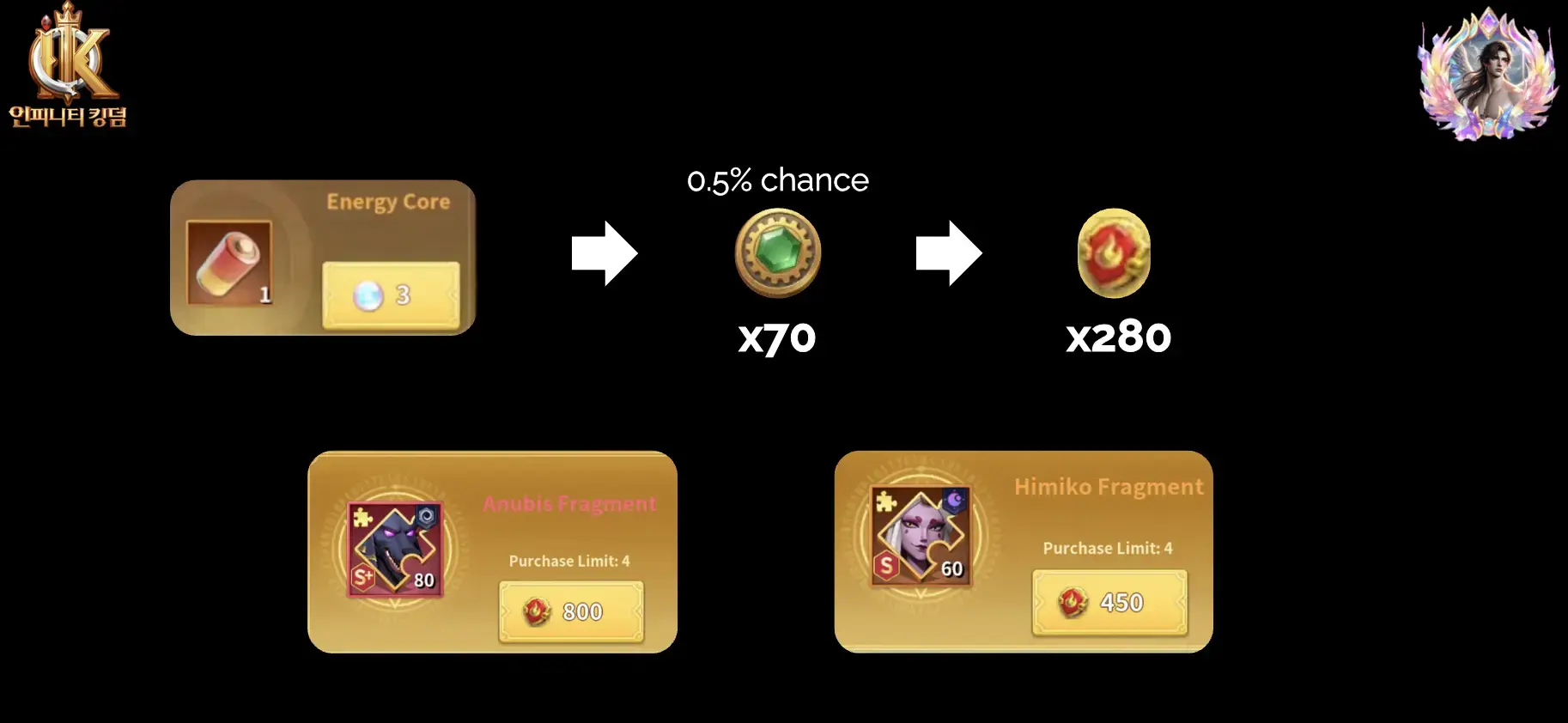
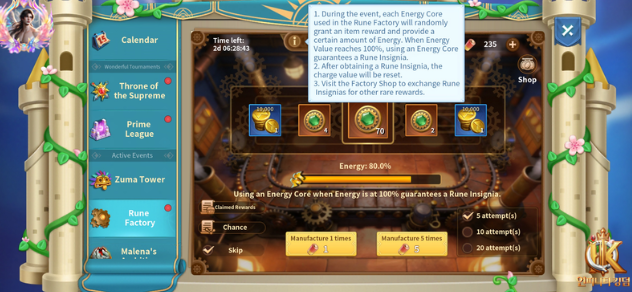
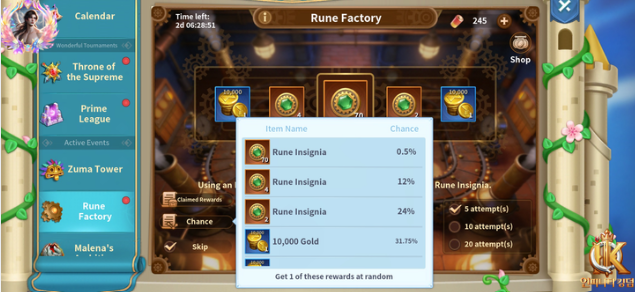
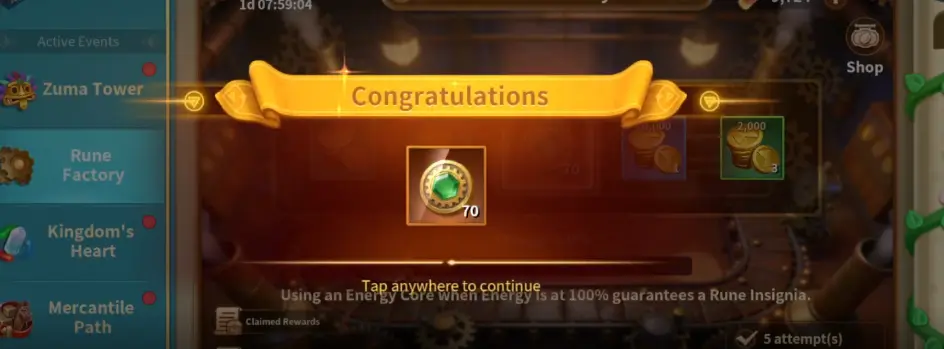
Part of that evolution comes from the adjustments the developers have made since launch. The original version relied heavily on reaching long pity cycles, making progression feel rigid and sometimes frustrating. As the system evolved, smaller Rune Insignia rewards were introduced, allowing players to make meaningful progress throughout the event instead of waiting almost exclusively for a single guaranteed payout.
That change did more than improve the mathematics behind the event.
It changed how Rune Factory feels to play.
Progress became more consistent, each Energy Core felt more rewarding, and the event gradually shifted away from being defined by a single jackpot mechanic. While randomness remains an important part of the experience, players now receive regular confirmation that their participation is moving their account forward.
Perhaps more importantly, Rune Factory has settled into a role that players now understand. It isn't designed to provide spectacular one-time rewards or completely transform an account over a single weekend. Instead, it contributes small but meaningful amounts of long-term progression every time it appears.
That may sound less exciting than many seasonal events.
But consistency has become one of Rune Factory's greatest strengths.
After several months, the event no longer needs to justify its existence. Instead, it has quietly established itself as another piece of the game's long-term progression ecosystem.
Maël's Opinion: I think this is where Rune Factory has improved the most. The event itself hasn't changed beyond recognition, but the experience has. Early on, many players focused on what had been lost. Today, most players simply treat Rune Factory as another weekly source of progression. That shift says a lot. Truly successful recurring events eventually stop feeling new and start feeling natural, and I think Rune Factory has reached that point.
2. A Progression System Built for Consistency
Unlike many recurring events in Infinity Kingdom, Rune Factory doesn't try to create a sense of urgency.
There are no rankings to climb, no difficult battles to overcome, and no daily objectives that dramatically change from one cycle to the next. Instead, the event follows a remarkably simple philosophy: participate regularly, collect Rune Insignias, and slowly convert them into long-term progression.
That philosophy has become much clearer over time.
When Rune Factory first launched, many players approached it expecting immediate value. After all, it occupied the same place in the weekly calendar as Sparks of Galaxy, an event remembered for distributing useful resources across several different progression paths. Rune Factory took a different approach from the beginning, but it wasn't immediately obvious what role it was trying to fill.
Several months later, that role is much easier to understand.
Rune Factory is not designed to accelerate your account overnight. It is designed to provide a predictable stream of progression that quietly accumulates over dozens of event cycles. Every week contributes a little more toward future objectives, whether that's Holy Immortals, Shadow Immortals, Dragon progression, or the currencies tied to the Legendary Battle Pass.
That slow rhythm won't appeal to everyone.
Players who enjoy spectacular rewards or the excitement of unlocking major milestones in a single event may find Rune Factory underwhelming. Its rewards arrive gradually rather than dramatically, making the event feel less exciting than many seasonal activities.
At the same time, there is something reassuring about that consistency.
Because the event follows the same structure every week, players know exactly what to expect. There are no complicated mechanics to relearn, no hidden systems to master, and very little pressure to optimise every decision. Rune Factory has become one of those events that naturally fits into a weekly routine, quietly supporting account progression without demanding constant attention.
Perhaps that is its greatest achievement.
Not that it became the most rewarding event in Infinity Kingdom, but that it became one of the easiest to integrate into long-term progression planning.
Maël's Opinion: I think Rune Factory works best when you stop expecting immediate results. Viewed as a single event, it can feel modest. Viewed over several months, its value becomes much easier to appreciate. That's probably the biggest lesson I've taken away since its release: Rune Factory isn't built around short-term excitement. It's built around patience and consistency.
3. Different Value for Different Players
One of the reasons Rune Factory continues to generate mixed opinions is that its value changes significantly depending on the type of account you're building.
Unlike some events that benefit almost everyone equally, Rune Factory rewards certain progression paths far more than others. That isn't necessarily a flaw, but it does explain why two experienced players can walk away from the same event with completely different impressions.
For players focusing on Holy and Shadow Immortals, Rune Factory has become a reliable source of long-term fragments and progression materials. While it may not be the fastest route available, it offers something equally important: consistency. Every event contributes toward the same objective, making it easier to plan future upgrades without relying entirely on limited-time events or unpredictable opportunities.
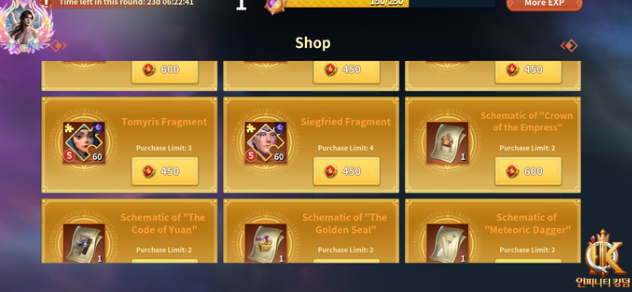
Chaos-focused players may appreciate the event even more.
Since Rune Factory feeds directly into the Inferno Insignia economy, it has established itself as another avenue for Chaos progression. Building Chaos Immortals has always required patience, and Rune Factory naturally fits that philosophy. Rather than trying to speed up the process, it provides another repeatable source of valuable currency that slowly contributes toward one of the game's longest progression journeys.
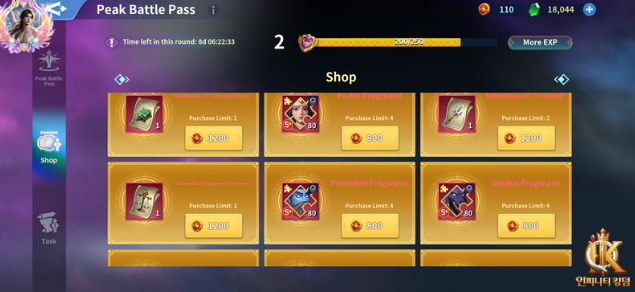
The experience can feel quite different for newer players.
Early-game accounts often have many competing priorities, from developing elemental marches to improving dragons, buildings, research, and equipment. In that context, Rune Factory may not immediately stand out as a game-changing event. Its rewards become more meaningful as an account matures and long-term progression starts replacing short-term growth.
That difference in perspective is important.
Rune Factory isn't trying to solve every progression challenge in Infinity Kingdom. Instead, it occupies a fairly specific niche within the game's economy, offering dependable progress for players willing to invest over time rather than delivering broad rewards that appeal equally to every account.
Looking back, this specialization has become part of the event's identity.
It doesn't try to be everything for everyone.
Instead, it quietly supports the players who need exactly what it offers.
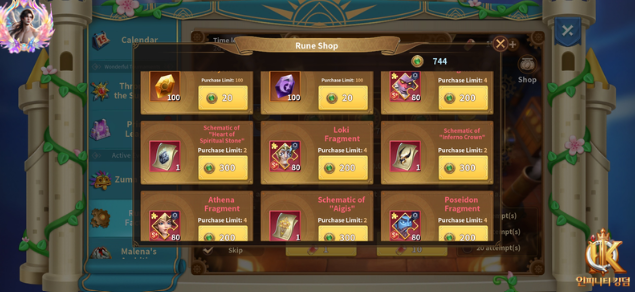
Maël's Opinion I think this is why opinions on Rune Factory still vary today. The event isn't universally exciting, and that's perfectly fine. Its value depends heavily on where your account is in its progression. Veteran players chasing long-term objectives often appreciate it far more than newer players who are still developing the foundations of their account. That's what makes Rune Factory such an interesting event to discuss: its value is personal rather than universal.
4. Strengths That Emerged Over Time
Looking back after several months, Rune Factory's strengths are not necessarily the ones most players talked about when the event first launched.
At release, the discussion focused almost entirely on what had changed. Comparisons with Sparks of Galaxy dominated community conversations, and much of the attention was directed toward costs, probabilities, and reward efficiency. Those discussions were important, but they also overshadowed qualities that only became apparent after dozens of event cycles.
Perhaps the biggest strength is consistency.
Rune Factory has become one of the most predictable events in Infinity Kingdom. Players know when it arrives, understand exactly how it functions, and can easily incorporate it into their weekly routine. That familiarity removes much of the uncertainty that often accompanies newer systems and allows players to plan their progression with confidence.
Another positive aspect is its clarity.
Many recurring events combine multiple objectives, currencies, and progression paths, sometimes making it difficult to understand where the real value lies. Rune Factory takes the opposite approach. Its progression loop is direct, its objectives are clearly defined, and players always know what they are working toward. That simplicity doesn't make the event shallow; it makes it accessible.
The adjustments introduced after launch also deserve recognition.
The original version placed enormous emphasis on long pity cycles, creating periods where progression could feel slow and unrewarding. Today's version offers a much steadier flow of Rune Insignias, making every session feel more engaging. Players still experience moments of luck through larger drops, but regular progress no longer depends almost entirely on reaching a guaranteed milestone.
Finally, Rune Factory fits naturally into Infinity Kingdom's growing ecosystem of long-term progression systems.
Rather than competing with seasonal events or limited-time activities, it complements them. Weekly participation gradually feeds into larger account goals, encouraging steady development without demanding constant attention or significant time investment.
That balance has become one of the event's greatest qualities.
Rune Factory rarely steals the spotlight, but it continues moving your account forward every time it returns.
Maël's Opinion: I don't think Rune Factory has become one of Infinity Kingdom's most exciting events, and I don't believe it was ever trying to be. Its greatest strength is reliability. Every week, players know exactly what they're getting, how the event fits into their progression, and what they're working toward. There is real value in that kind of consistency, especially in a game where many systems continue to grow more complex with each major update.
5. Where Rune Factory Still Falls Short
Despite the improvements made since its release, Rune Factory is not without its shortcomings.
Some of the concerns raised during its first weeks have gradually faded as the event evolved, but others remain just as relevant today. While the overall experience feels smoother than it did at launch, Rune Factory still struggles to appeal equally to every type of player.
Accessibility remains one of the biggest talking points.
Although the event has become more rewarding thanks to the introduction of smaller Rune Insignia drops, progression is still closely tied to Energy Cores. Players who wish to accelerate their progress inevitably run into the same limitation: access to additional attempts. Compared to some other recurring events that offer multiple ways to engage through gameplay, Rune Factory still feels relatively restrictive in how players acquire its primary resource.
Another limitation is the event's narrow focus.
Rune Factory knows exactly what it wants to accomplish, but that also means it offers less variety than many other weekly activities. Every cycle follows the same progression path, the same currency conversion, and ultimately the same destination. While that consistency is one of the event's strengths, it can also make the experience feel repetitive over time.
The event also lacks those memorable moments that define many seasonal activities.
There are no major battles to overcome, no difficult strategic decisions to make, and no moments where players feel that a single achievement completely changes their account. Rune Factory progresses quietly in the background, and while that fits its philosophy, it also means the event rarely becomes the highlight of the week.
Finally, there is the question of long-term motivation.
Because the gameplay loop changes very little from one appearance to the next, much of the enjoyment depends on the value players assign to the rewards themselves. Those actively pursuing Holy, Shadow, or Chaos progression usually remain engaged because every Rune Factory contributes toward a meaningful objective. Others may simply complete the event out of habit, treating it as another recurring task rather than something they genuinely look forward to.
None of these limitations make Rune Factory a poor event.
They simply define its character.
It is a dependable system built around long-term progression rather than excitement, and that trade-off will naturally appeal to some players more than others.
Maël's Opinion: I think Rune Factory has found a good balance, but not a perfect one. The improvements made over the past few months have made the event much healthier than its original version, yet I still feel there is room to make participation more engaging. More ways to earn Energy Cores through gameplay, a little more variety between rotations, or even occasional bonus objectives could make the event feel more dynamic without changing its core identity. Sometimes small additions are enough to keep a recurring event feeling fresh.
6. Has Rune Factory Earned Its Place?
When Rune Factory first entered the game, that question would probably have received very different answers depending on who you asked.
Some players viewed it almost exclusively through the lens of Sparks of Galaxy. Others focused on its initial reward structure, while many simply needed time to understand where the event fit within the broader progression system. In those early weeks, it was difficult to separate Rune Factory from the expectations surrounding its launch.
Several months later, that perspective has changed considerably.
Rune Factory has settled into Infinity Kingdom's weekly rhythm without trying to compete with the game's largest seasonal events. It isn't designed to dominate the calendar or become the most anticipated activity every week. Instead, it fills a quieter role, providing a predictable source of long-term progression that complements the rest of the game's ecosystem.
That is perhaps the best way to describe the event today.
Rune Factory doesn't ask players to rearrange their schedules or dedicate hours to mastering new mechanics. It asks for consistency. Week after week, event after event, it slowly contributes toward larger objectives that often take months to achieve. In many ways, it reflects the philosophy behind Infinity Kingdom itself: meaningful progression is rarely built through a single event but through the accumulation of many smaller ones.
Of course, that doesn't mean the event is beyond improvement.
More gameplay variety would help keep each rotation feeling fresh. Additional ways to obtain Energy Cores through active participation would make the event feel more accessible, particularly for free-to-play players. Small quality-of-life adjustments could also add variety without changing the straightforward progression loop that has become one of Rune Factory's defining strengths.
Even so, those are refinements rather than fundamental criticisms.
Looking at Rune Factory today rather than the version that launched months ago, it feels like an event that has matured alongside the rest of Infinity Kingdom. It has found a clear purpose, a stable place in the weekly rotation, and a progression loop that players now understand and largely accept.
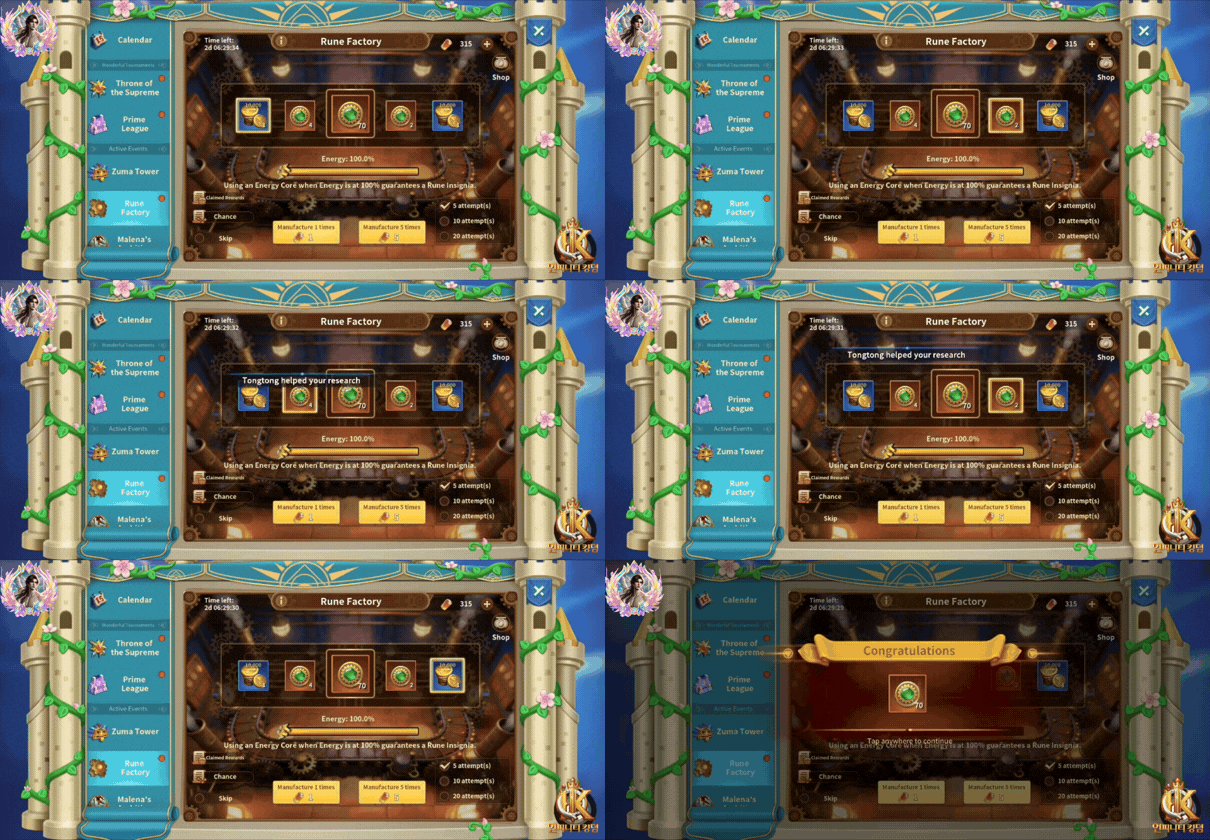
Maël's Final Opinion: Looking back, I think Rune Factory has earned its place in Infinity Kingdom.
Not because it replaced Sparks of Galaxy perfectly those comparisons will probably never disappear but because it eventually stopped needing them. The event has developed its own identity through consistency, gradual progression, and a clear long-term purpose. It isn't the most exciting activity in the game, nor does it need to be. Every recurring event plays a different role, and Rune Factory has become one of those systems that quietly supports your account week after week.
There is still room for improvement, particularly in making the event feel more rewarding for a broader range of players, but the foundations are now solid. Sometimes the best recurring events aren't the ones you talk about every week they're the ones you simply expect to see because they've become a natural part of your progression.
For more insights, check out my previous articles here.
- download Infinity Kingdom now and script your legend.
Until next time, Maël, Press Officer
Translate

Popular Posts
1
!["Julio César y la Lanza del Imperio Eterno" [Rincón de las Historias] - Infinity Kingdom](https://oss.gtarcade.com/forum/gif/2026-07-19/546754_bd8f57ed-39db-4905-88c4-abc20189ea7b_012116.gif?x-oss-process=image/resize,w_150,h_150)
"Julio César y la Lanza del Imperio Eterno" [Rincón de las Historias] - Infinity Kingdom
193 discussions 253 views
2
!["¡Lanza tus Redes y Consigue Grandes Premios!" Todo sobre el Nuevo Carnaval de Verano, junto con las Apariencias Desbloqueadas de Alejandro y Atenea [Evento] - Infinity Kingdom](https://oss.gtarcade.com/forum/gif/2026-07-19/546754_2521ee98-c44c-4813-bcf2-e8739d514309_005626.gif?x-oss-process=image/resize,w_150,h_150)
3
!["Tutankamón y el Legado del Faraón Eterno" [Rincón de las Historias] - Infinity Kingdom](https://oss.gtarcade.com/forum/gif/2026-07-12/546754_759689e2-2fa5-47b2-afa7-7181e725b3df_002207.gif?x-oss-process=image/resize,w_150,h_150)
"Tutankamón y el Legado del Faraón Eterno" [Rincón de las Historias] - Infinity Kingdom
379 discussions 473 views